
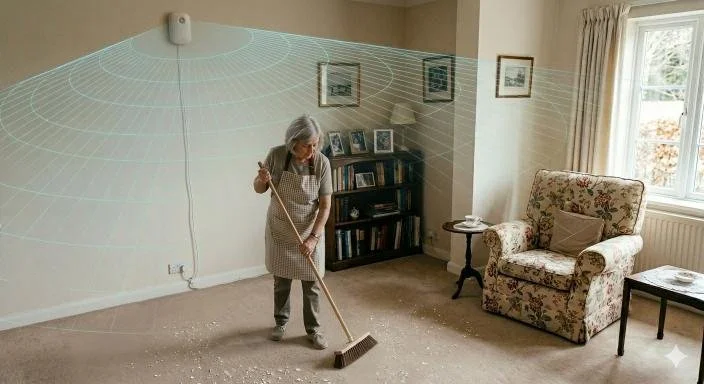
The Rise of Privacy-First Radar Monitoring for Senior Safety
Radar technology is revolutionizing modern senior care by providing non-intrusive monitoring of movement and vital signs. Utilizing radio waves, these systems detect falls and health issues without cameras, preserving privacy and dignity. Recent successes in Arizona and California show significant fall reductions and faster emergency responses, helping seniors live safely and much more independently today.

Vietnam’s Real Estate Giants Pivot to Senior Living
Vietnam is transforming into a rapidly aging society, fueling a multi-billion-dollar "silver economy." Major real estate developers like Vingroup and Sun Group are pivoting from traditional housing to premium senior living ecosystems. These projects integrate healthcare and social lifestyle models, strategically positioning early investors to lead as the demographic shift reshapes the nation’s property market.

Tech Boosts Hong Kong "Aging in Place”
To support an aging population, Hong Kong’s housing authorities are expanding smart technology initiatives—including door sensors, fall detectors, and stair climbers—across public estates. These tools enhance safety for seniors living alone, helping the city manage a demographic shift where one in three residents will be elderly by 2046.

The Future of Care: How Smart Rings are Streamlining Ward Management
Care center operators are swapping clunky cuffs for smart rings like CART ON to automate monitoring. This sensor-based tech slashes nursing workloads and documentation errors , offering residents a dignified, non-intrusive experience that keeps their sleep—and their sanity—intact.

Singapore’s 2026 Integrated Aged Care Policy: A "One-Stop" Model for Seniors
Singapore’s 2026 policy streamlines aged care through 84 sub-regional "one-stop" touchpoints. Managed by Integrated Community Care Providers, the model features single assessments starting April 2026 and holistic care plans by October. Enhanced home care (HPC+) offers 24/7 monitoring, while mandatory digital health records ensure seamless coordination for seniors and caregivers.

China Launches National Long-Term Care Insurance to Combat Aging Crisis
China's new national long-term care insurance system provides essential nursing and financial support for citizens with disabilities lasting six months or more, with the goal of establishing a unified framework for the entire population within three years. The program is funded through a total contribution rate of approximately 0.3% shared by employers, individuals, and government subsidies, utilizing an integrated fund pool to offer the same benefits to both urban and rural residents.