

IFA Berlin Reveals the Future of Smart Care
IFA Berlin 2026 showcased a new generation of smart-care technologies moving beyond basic senior monitoring. AI companion robots, wearable exoskeletons and interoperable care platforms are emerging to support fall response, mobility, safety and daily assistance. For elderly-care operators, these innovations point toward more proactive care models that can reduce staff workloads while enabling greater independence and continuous data-driven support.

What’s Driving Australia’s HealthTech Investment Boom?
Australia’s HealthTech sector is entering a new growth phase, driven by artificial intelligence, government digital-health spending, venture capital and major M&A transactions. The digital health market is projected to grow from $8.9 billion in 2025 to $31.1 billion by 2034. Clinical AI, remote monitoring, ambient documentation, neurotechnology and aged-care digitalization are emerging as key investment opportunities.

What’s New About Today’s Ageing Consumers?
Ageing consumers are becoming a powerful force in the global economy, controlling $19 trillion in consumer spending in 2026. Their influence is expected to reach $34 trillion by 2036, creating opportunities across senior living, healthcare, tourism, finance, technology and consumer goods. The shift is also producing a rapidly growing silver economy focused on longer, healthier and more independent lives.

US Senior Housing Attracts Billions as Supply Tightens
U.S. senior housing deal activity accelerated in Q2 2026, with transactions rising 42.4% year over year to 205 and investment reaching $3.89 billion, up 55.6%. Rising occupancy, limited construction and stronger operating performance are attracting REITs and private equity investors, positioning existing senior housing communities as increasingly valuable assets amid accelerating demographic demand.

South Korea’s Aging Boom Exposes Senior Housing Gap
South Korea’s transition into a super-aged society is exposing a growing shortage of affordable, age-friendly housing for middle-income seniors. Seoul is developing new senior housing while offering financial support, as institutional investors enter the sector through major partnerships and dedicated funds. With technology, healthcare and financial services increasingly integrated into senior living, the market is emerging as a major investment opportunity.
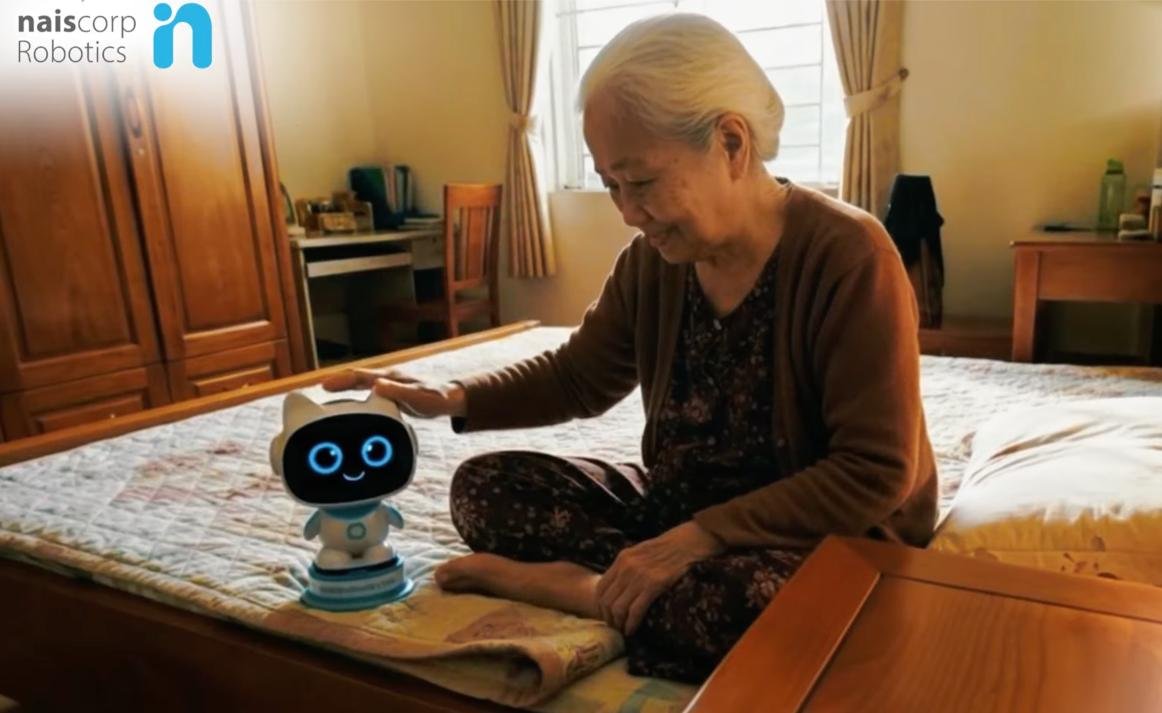
Vietnam AI Eldercare Robot Wins Qualcomm’s Top Innovation Prize
Vietnamese startup Naiscorp Robotics has won the $100,000 grand prize at the Qualcomm Vietnam Innovation Challenge 2026 for Healthmate, an AI-powered companion robot for older adults. The system combines wearable-free vital monitoring, medication and wellness reminders, telehealth connectivity and on-device edge AI, highlighting how robotics could help address caregiver shortages and support independent living as populations age.