

From "Kaigo" Robots to AI Sensors: Inside Japan’s Blueprint for Future-Oriented Nursing
Japan is tackling a 1.55-million-worker shortage by investing 34.79 trillion yen into "smart care" for fiscal 2026. By integrating AI sensors, "Sleep Scan" monitors, and "Hug" mobility robots, facilities like Santa Fe Garden Hills reduce staff fatigue and improve care quality. Government subsidies now cover up to 75% of robotic implementation costs.
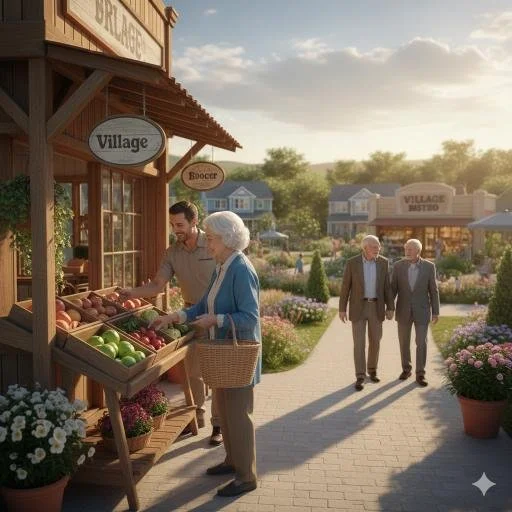
America’s First ‘Dementia Village’ Set to Open
The United States is opening its first purpose-built dementia village in Wisconsin by 2027. Inspired by the Dutch Hogeweyk® model, the $40 million project replaces traditional nursing homes with home-style residences and town amenities like shops and theaters to prioritize resident dignity, autonomy, and a normal lifestyle.

Why Malaysia’s "Super-Aged" Future is Hitting a Regulatory Brick Wall
Malaysia’s transition to a "super-aged" nation is stalled by rigid regulations. Outdated fire safety height limits, inconsistent 8% service taxes, and insurance exclusions for residential care drive up costs for the "sandwich generation." Without dedicated elderly care visas and fiscal incentives for operators, Malaysia risks forfeiting its potential as a regional leader.

The Invisible Crisis: Surprising Realities of Growing Old in America
The United States is facing an escalating eldercare crisis as a growing portion of the population requires assistance with basic daily activities. While Medicaid acts as a primary public funding source, it remains heavily restricted, forcing many seniors to exhaust their personal savings to afford professional help.

Global Aging 2030: WHO Data Signals a $2.12 Trillion Geriatric Care Transformation
WHO’s latest aging data confirms that global healthcare demand is entering a structural expansion phase, with population aging redefining long-term growth across therapeutics, medical devices, and care delivery systems.

Fermentation Protein and the Longevity Economy: A New Growth Engine for Europe’s Aging Market
Fermentation protein is emerging as a critical pillar of the longevity economy, as aging societies demand scalable nutrition solutions that support muscle health, metabolic stability, and sustainability at the same time.