
Fermentation Protein and the Longevity Economy: A New Growth Engine for Europe’s Aging Market
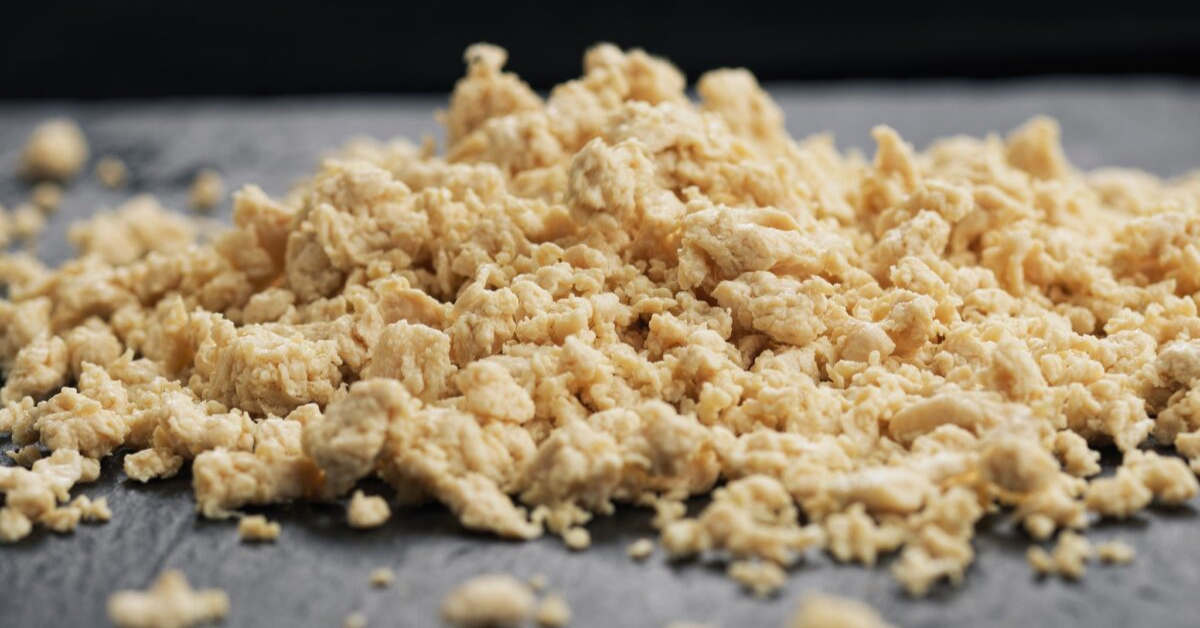
Fermentation protein is emerging as a critical pillar of the longevity economy, as aging societies demand scalable nutrition solutions that support muscle health, metabolic stability, and sustainability at the same time. (Source: Pexels)
How Fermentation Technology Is Bridging Nutrition, Sustainability, and Healthy Aging
Human lifespan extension is one of the defining demographic shifts of the 21st century. Yet this progress has exposed a growing paradox: people are living longer, but spending more of those years in poor health. This widening gap between lifespan and healthspan is now reshaping Europe’s longevity economy—valued at over USD 600 billion annually and projected to exceed USD 1 trillion by 2030.
Data from the International Longevity Centre UK shows that while life expectancy in Western Europe has risen steadily since 1950, chronic age-related conditions such as cardiovascular disease, type 2 diabetes, osteoporosis, sarcopenia, and cognitive decline are lasting longer. As a result, healthcare systems face sustained structural pressure, and the strategic focus has shifted from extending life to extending healthy life.
Within this shift, nutrition—particularly protein quality, fiber intake, and nutrient density—is increasingly viewed as a scalable, cost-effective lever that complements medical and pharmaceutical interventions.
Fermotein: A Fermentation-Led Protein Strategy
Against this backdrop, Dutch biotechnology company The Protein Brewery is positioning its fungal-derived protein ingredient, Fermotein, at the intersection of healthy aging, sustainability, and next-generation nutrition. Founded in 2020, the company’s approach centers on converting underutilized crops into high-density protein ingredients through fermentation—decoupling protein production from land-intensive agriculture.
Fermotein is a whole-cell mycoprotein derived from Rhizomucor pusillus, a fungal strain selected for its tolerance to low pH and high temperatures. These characteristics reduce contamination risk and energy requirements, enabling efficient industrial-scale production. The ingredient is processed into a stable powder format, allowing broad application across beverages, functional foods, and medical nutrition products.
Unlike protein isolates, Fermotein retains the full fungal cell structure, preserving a natural matrix of protein, fiber, and bioactive compounds.
Protein Quality and Functional Nutrition
From a commercial nutrition perspective, Fermotein offers a differentiated profile. It achieves a PDCAAS score of 1.0, indicating a complete and highly digestible amino acid profile comparable to animal protein. This is particularly relevant for aging populations, where inadequate protein intake accelerates muscle loss and functional decline.
In addition, Fermotein contains approximately 30% dietary fiber, derived from fungal cell walls rich in chitin and beta-glucans. This dual protein–fibre structure supports satiety, metabolic stability, and digestive health—attributes increasingly valued in products for elderly nutrition and weight management.
The profile is also well aligned with the rapid expansion of GLP-1-based therapies, where appetite suppression increases demand for protein-dense, low-volume foods that help preserve lean mass during weight loss.
Sustainability as a Commercial Advantage
Fermotein’s fermentation-based production delivers clear sustainability benefits compared with animal protein:
Around 26× higher protein yield per hectare
Approximately 95% lower water use than beef
Significantly reduced greenhouse gas emissions
These efficiencies align with EU policy priorities such as the European Green Deal and Farm to Fork Strategy, positioning fermentation-based proteins not as niche alternatives, but as system-compatible solutions for future food supply.
Market Signals and Scale-Up
The participation of Novo Holdings—the investment arm behind Novo Nordisk—in The Protein Brewery’s Series B round highlights growing recognition that pharmaceutical weight-management solutions require parallel nutritional innovation.
With regulatory approvals secured in the United States and Singapore, and EU authorization expected in 2026, the company is transitioning from early-stage biotech to an industrial-scale ingredient supplier. Approximately €30 million in Series B funding is being deployed to expand fermentation capacity to hundreds of metric tons annually.
🚀 Connect with Global Leaders in Aging & Care Innovation!
Sourcingcares links international partners in aging care, long-term care, and health technology, fostering collaboration and driving solutions for a changing world. Our initiatives include Cares Expo Taipei, where the future of elder care takes shape!
🔗 Follow us for insights & opportunities:
📌 Facebook: sourcingcares
📌 LinkedIn: sourcingcares
📍 Explore more at Cares Expo Taipei!
Source: FoodNEXT
