
Wellness Industry Faces Major Correction as Over-Optimization Backlash Reshapes $6.3 Trillion Market
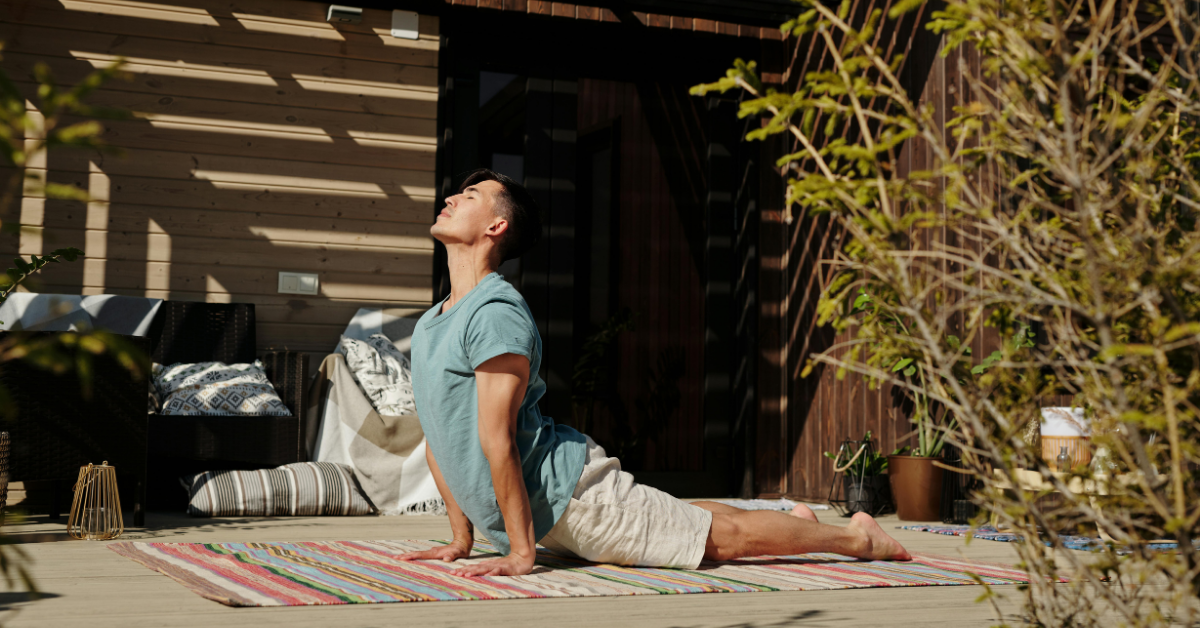
After two decades of optimization-driven growth, the $6.3T wellness industry is correcting itself—shifting capital and culture away from data obsession toward neurowellness, female longevity, and emotional regulation as its next core infrastructure. (Source: Pexels)
Part 1 of 2: Market Disruption and the Female Longevity Revolution
The Global Wellness Summit's annual Future of Wellness report reveals the industry's most significant market correction in 20 years, as consumer rejection of data-driven wellness drives explosive growth in emotional regulation and gender-specific longevity solutions.
The Anti-Optimization Movement Gains Market Power
After years of wearables, biometrics, and performance tracking dominance, the wellness market is experiencing fundamental disruption. Consumer data shows widespread "analysis paralysis"—health tracking creating psychological burden rather than improved outcomes.
Market response is accelerating:
Major athletic brands abandoning performance language for wellness messaging focused on presence and joy
Neurowellness technologies securing FDA approvals for nervous system regulation
Social wellness experiences (saunas, dance events, group fitness) outpacing solo optimization programs
Clinical aesthetics reframing from "correction" to psychological care
This represents a strategic pivot from measurement to meaning, from clinical data to catharsis, and from self-surveillance to self-expression. Investment capital is following consumer sentiment, with neurotechnology and experiential wellness sectors attracting increased funding.
Neurowellness: The Next Frontier
Sleep data from wearables has exposed a critical health bottleneck: chronic nervous system overload. When sleep scores remain persistently low, the root cause is autonomic dysregulation—the body stuck in fight-or-flight mode, manifesting as fragmented sleep, anxiety, inflammation, hormonal disruption, and burnout.
The market is responding with both "hard-care" and "soft-care" solutions:
Consumer Neurotech: FDA-approved devices for at-home nervous system regulation, including vagus nerve stimulation, EEG-guided sleep optimization, and neurofeedback platforms. Flow's recent FDA approval for neuromodulation adds clinical credibility and signals pathway to insurance reimbursement.
Clinical Integration: Traditional practices—breathwork, somatic therapy, yoga—gaining scientific validation for measurable nervous system effects. These modalities are increasingly prescribed in clinical settings and integrated into hospitality, real estate, and destination wellness facilities.
Brain-body research, including Stanford's whole-system studies, is positioning neurowellness as infrastructure rather than intervention—a quietly built-in feature of modern spaces from fitness studios to residential developments.
Female Longevity: The Industry's Largest Market Opportunity
The longevity sector's multi-billion dollar blind spot is gender. Current protocols and diagnostics are designed predominantly for male physiology, despite fundamental differences in how women age.
The Science: Women's aging differs dramatically from men's, with ovarian function serving as "command central" for systemic health. Ovarian decline (menopause) triggers cascading health deterioration—dramatically increased rates of immune disorders, cognitive decline, cardiovascular disease, and osteoporosis. Men experience no comparable "gonadal death" or sharp health cliff.
Market Correction: The industry is rapidly developing female-specific longevity programs across the entire lifecycle:
Ovarian aging tests emerging as critical health biomarkers
Hormone replacement therapy returning as longevity medicine
Lifestyle interventions optimized for ovarian reserve preservation
Strength training repositioned as non-negotiable for female healthspan
Diagnostics and wearables adding female-specific metrics
Sector Transformation: Wellness resorts, longevity clinics, telehealth platforms, gyms, and diagnostics companies are pivoting from menopause symptom management to comprehensive female healthspan programs spanning ages 20-90.
This shift addresses more than medical equity—it represents the sector's largest untapped revenue opportunity and will fundamentally change longevity culture from male-dominated "optimization" to inclusive, human-centered approaches.
Women's Sports: Economic Tipping Point
The female athletics economy is reaching critical mass, creating ripple effects across fitness, wellness, and consumer behavior:
New professional leagues launching globally (hockey, volleyball, baseball)
Record-breaking attendance and viewership (2025 Women's Rugby World Cup, Indian women's cricket)
Female athletes as cultural and commercial powerhouses, launching beauty, fashion, and wellness brands
Women-only gyms proliferating from Dubai to Shanghai
Female fitness behavior shifting from cardio/thinness to strength training and team sports
This cultural momentum is reshaping wellness markets, driving demand for women-specific athletic facilities, strength-focused programming, and community-based fitness experiences.
Strategic Implications
The market is experiencing simultaneous corrections across multiple segments:
Consumer rejection of over-quantified wellness creating demand for regulation, emotion, and experience
Gender-blind longevity protocols creating opportunity for female-specific healthspan solutions
Digital exhaustion driving neurowellness from niche to mainstream necessity
Female athletic participation reshaping fitness culture and infrastructure
These shifts indicate fundamental market realignment from optimization-focused, male-centric approaches toward holistic, inclusive, and human-centered wellness solutions.
Part 2 will examine: Crisis-driven wellness (disaster preparedness, microplastics, environmental health), longevity's expansion into real estate and beauty, and the festivalization of wellness experiences.
🚀 Connect with Global Leaders in Aging & Care Innovation!
Sourcingcares links international partners in aging care, long-term care, and health technology, fostering collaboration and driving solutions for a changing world. Our initiatives include Cares Expo Taipei, where the future of elder care takes shape!
🔗 Follow us for insights & opportunities:
📌 Facebook: sourcingcares
📌 LinkedIn: sourcingcares
📍 Explore more at Cares Expo Taipei!
Source: Global Wellness Summit
