
CES 2026: HealthTech Revolution Targets Aging Population as Brain Health Takes Center Stage
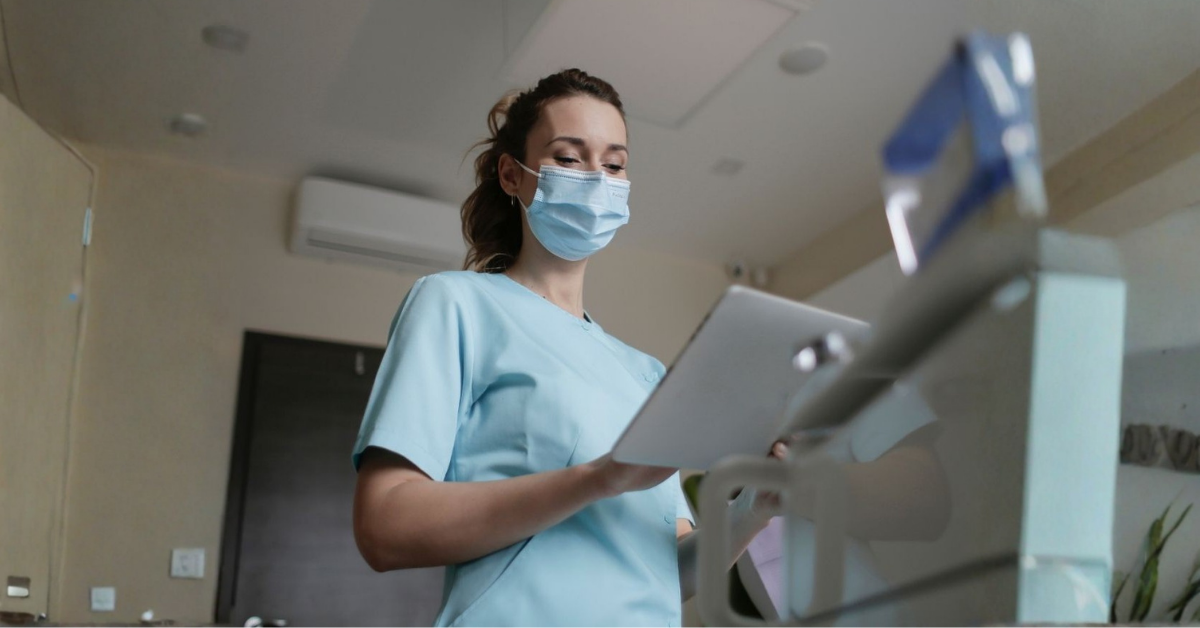
CES 2026 marks the moment HealthTech shifts from lifestyle gadgets to essential aging infrastructure—using AI, ambient monitoring, and familiar devices to detect decline early and help millions of digitally savvy octogenarians age independently at home. (Source: Pexels)
The Consumer Electronics Show 2026 has unveiled a fundamental transformation in health technology, with cognitive health monitoring and AI-driven longevity platforms dominating the innovation landscape. As the oldest baby boomers turn 80 this year—beginning a demographic wave of 10,000 Americans reaching this milestone daily for two decades—technology companies are pivoting from consumer gadgets to essential medical infrastructure.
The shift reflects urgent market realities: only 25% of octogenarians remain "healthy and active," while over 10 million Americans aged 80-90 will age in place independently, creating unprecedented demand for home-based health monitoring and early intervention technologies.
Samsung Brain Health: Democratizing Dementia Detection
In the most significant health technology announcement at CES 2026, Samsung introduced Brain Health, a smartphone and wearable-integrated system designed to detect early signs of cognitive decline years before clinical diagnosis—and alert designated caregivers for timely intervention.
Samsung's approach analyzes "digital biomarkers" from everyday device interactions, tracking behavioral changes that can emerge up to 10 years before formal dementia diagnosis. The system monitors voice patterns, typing speed, walking gait, sleep quality, and movement patterns to detect subtle cognitive variations that are invisible to casual observation.
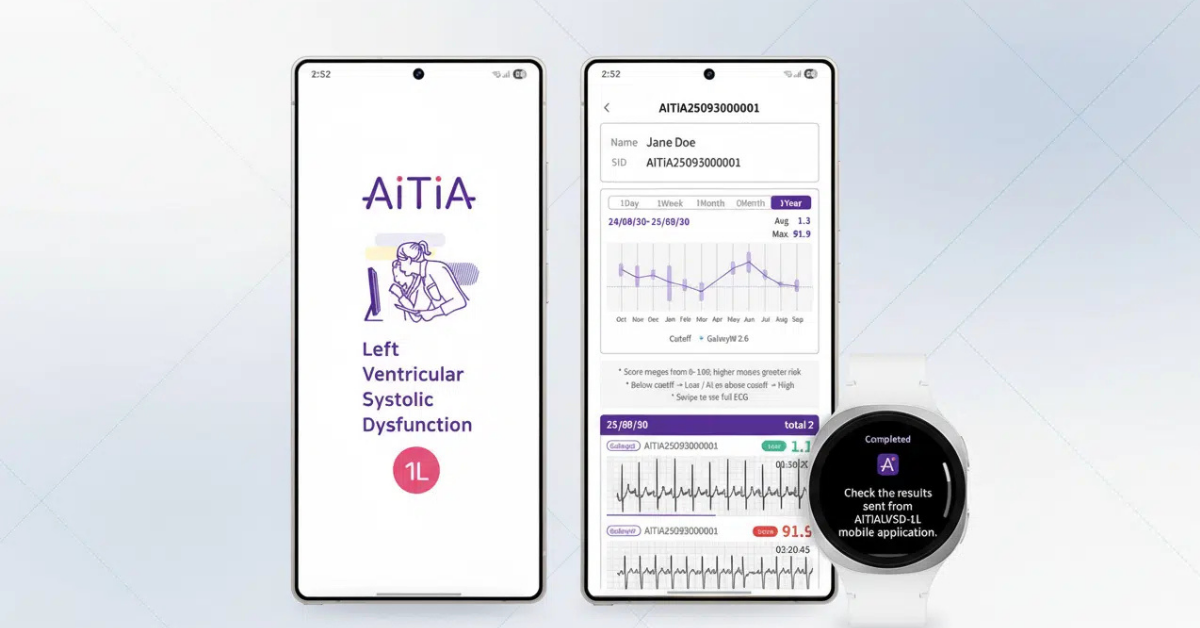
Core capabilities include:
Voice analysis detecting speech hesitation and word-finding difficulties
Motor function tracking through gait speed and touchscreen interactions
Sleep pattern disruptions associated with neurodegenerative processes
Behavioral consistency deviations signaling potential impairment
Critically, all processing occurs locally using Knox security architecture, ensuring sensitive health data is never uploaded to cloud servers. Samsung is conducting clinical validation with medical institutions while the system recommends personalized brain training programs to maintain cognitive function.
With Samsung's significant global smartphone market share, Brain Health could reach hundreds of millions of at-risk older adults without requiring dedicated medical device purchases—effectively creating the world's largest distributed dementia screening infrastructure.
For aging populations, early detection enables lifestyle interventions and care planning while individuals retain decision-making capacity. For caregivers, the technology provides peace of mind about aging parents' cognitive health without intrusive surveillance.
NuraLogix Longevity Mirror: AI-Powered Health Forecasting
NuraLogix's Longevity Mirror employs artificial intelligence to transform brief facial video into comprehensive health assessments—delivering results in 30 seconds.
The smart mirror uses transdermal optical imaging to analyze blood flow patterns in facial capillaries. AI algorithms trained on hundreds of thousands of patient records translate these signatures into actionable metrics:
Metabolic Health Score (0-100): Insulin sensitivity and metabolic syndrome risk
Cardiac Health Assessment: Heart rate variability and arterial stiffness
Physiological Age: Biological aging markers versus chronological age
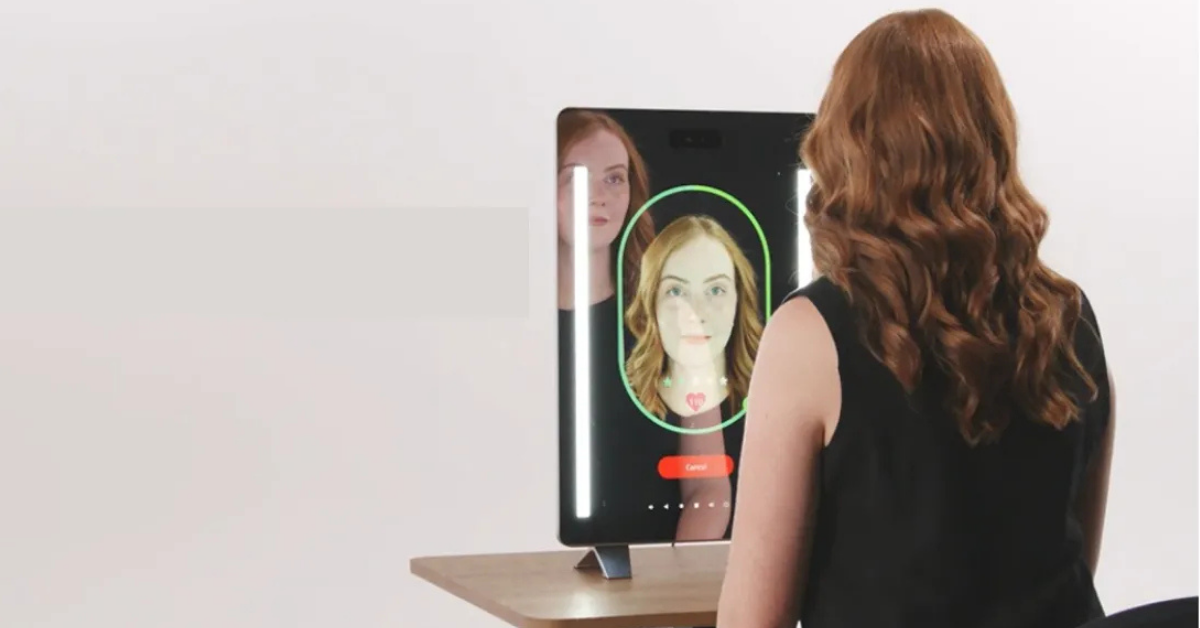
The device supports six user profiles, requires no physical contact or blood samples, and provides clear explanations with personalized recommendations. Priced at $899, including a one-year subscription, it targets health-conscious consumers between premium wearables and medical equipment pricing.
By enabling regular metabolic and cardiovascular assessments, the mirror facilitates early detection of diabetes risk, hypertension monitoring, and tracking of biological aging—identifying at-risk individuals years before symptoms emerge.
Additional CES 2026 Innovations
Ascentiz H1 Pro Walking Exoskeleton features a lightweight, modular design with AI-powered terrain adaptation, extending application beyond rehabilitation into daily mobility support with dust and water-resistant outdoor construction.
Withings Smart Scale measures heart age, muscle-fat balance, and arterial stiffness beyond weight tracking, bringing medical-grade vascular assessment home at €499.
Vivoo Smart Sanitary Pads directly measure follicle-stimulating hormone (FSH) levels for fertility tracking and hormonal health monitoring at €3-4 per pad, making hormone monitoring accessible without clinic visits.
Reconcept Zero Gravity Pod offers stress reduction through zero-gravity positioning and ambient audio, originally developed for military and athlete recovery, now expanding to consumer wellness.
CMS Technology Ecosystem Initiative: The Centers for Medicare & Medicaid Services has issued requests for recommendations on technology ecosystems for older adults, signaling federal recognition that interoperable health technology infrastructure will be necessary, creating standardization pressure across the AgingTech sector.
Market Context: Digital-Savvy Octogenarians
January 2026's demographic milestone coincides with unprecedented technology adoption among older adults: 90% own smartphones, 90% use social media, and households average 7 devices (up from 4 in 2016). This digital fluency creates market receptiveness to health technology solutions integrated into familiar devices.
However, health challenges loom: Harvard research projects over 10 million Americans aged 80-90 aging in place independently, creating massive demand for fall prevention, cognitive support, and emergency response technologies.
Industry Transformation
CES 2026's health technology focus reveals strategic shifts:
Prevention Over Reaction: Technologies target early detection and lifestyle intervention rather than disease management, aligning with healthcare economics favoring prevention.
Integration Over Isolation: Successful innovations embed within existing ecosystems (Samsung Health, Apple Health) rather than requiring standalone adoption, reducing friction and accelerating penetration.
Continuous Over Episodic: Wearables and ambient monitoring enable ongoing assessment rather than periodic clinical measurements, providing richer longitudinal data.
AI-Enabled Personalization: Machine learning customizes interventions to individual baselines rather than population averages, improving relevance and engagement.
Strategic Outlook
The convergence of demographic necessity, technological maturity, and consumer readiness positions 2026 as an inflection point for HealthTech and AgingTech commercialization. Innovations at CES 2026 suggest the industry is moving beyond proof-of-concept toward scaled deployment.
For the 73 million baby boomers entering their ninth decade, these technologies represent essential infrastructure for maintaining independence, preventing decline, and managing chronic conditions amid caregiver shortages and constrained medical resources.
🚀 Connect with Global Leaders in Aging & Care Innovation!
Sourcingcares links international partners in aging care, long-term care, and health technology, fostering collaboration and driving solutions for a changing world. Our initiatives include Cares Expo Taipei, where the future of elder care takes shape!
🔗 Follow us for insights & opportunities:
📌 Facebook: sourcingcares
📌 LinkedIn: sourcingcares
📍 Explore more at Cares Expo Taipei!
Source: CES
