
Vietnam AI Eldercare Robot Wins Qualcomm’s Top Innovation Prize
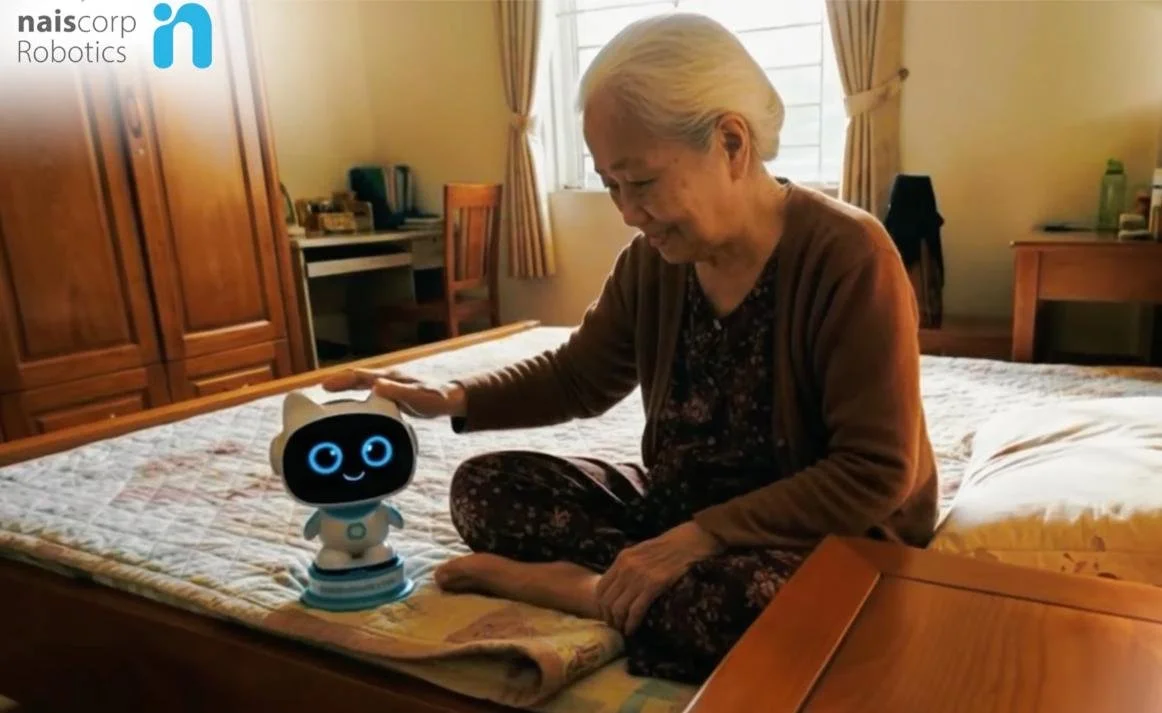
Vietnamese startup Naiscorp Robotics wins $100,000 for Healthmate, an AI-powered companion robot designed to support healthier, safer independent aging. (Screenshot of Naiscorp Robotics YouTube video)
Vietnam-based Naiscorp Robotics is putting eldercare technology in the spotlight after its Healthmate companion robot won the $100,000 grand prize at the Qualcomm Vietnam Innovation Challenge (QVIC) 2026.
The award comes as aging populations and caregiver shortages put growing pressure on healthcare systems worldwide. The global population aged 60 and over is projected to reach 2.1 billion by 2050, increasing demand for technologies that can support older adults while helping families and care providers manage limited resources.
Healthmate is designed around a prevention-first approach, targeting older adults who live independently and may not have family members available to provide daily support. Rather than positioning technology solely as a response to illness, Naiscorp Robotics aims to bring basic health monitoring and healthy-living support into the home.
The company’s philosophy is that good health begins with consistent daily habits, including medication adherence, hydration, movement, and early attention to changes in health.
Vietnam’s Deputy Minister of Science and Technology Hoang Minh praised the project, highlighting the potential of deep-tech startups to turn advanced research into practical solutions addressing real social needs.
Moving Eldercare From Reactive to Preventive
Healthmate combines artificial intelligence, health monitoring, and communication functions in a mobile robotic platform. The system can monitor physiological indicators, such as heart rate, respiratory rate and blood oxygen saturation, without requiring seniors to wear dedicated monitoring devices.
This wearable-free approach could be particularly relevant for older adults who find conventional wearables uncomfortable or may forget to use them consistently.
Beyond monitoring, the robot is designed to take an active role in daily wellness routines. It can remind users to take medication, drink water, and stand up or stretch after extended periods of inactivity.
When a situation requires professional attention, Healthmate can also connect users with healthcare professionals through remote consultations, creating a potential link between independent living and the wider healthcare network.
A key feature is its use of Qualcomm-powered edge AI. Instead of sending all machine-learning processing to remote cloud servers, Healthmate processes complex AI functions directly on the device.
For eldercare applications, this can have important implications for privacy, reliability, and connectivity. Health-related information, voice interactions, and other sensitive household data can potentially remain on the device, reducing dependence on continuous cloud processing and internet connectivity.
A Broader Role for Robotics in Aging Societies
The emergence of Healthmate reflects a broader evolution in the eldercare robotics market. As demand for independent living support increases, robotic companions are moving beyond simple entertainment or communication functions toward more integrated roles involving health, safety and everyday wellness.
Different categories of assistive technology are already addressing individual needs, including social interaction, dementia support, health monitoring and household assistance. However, the market continues to face a challenge in bringing these functions together in a form that is practical for older people and their families.
Healthmate seeks to address this gap by combining mobility, conversational interaction, wearable-free vital monitoring, lifestyle reminders and telehealth connectivity in a single platform.
The emphasis on on-device AI also highlights an increasingly important consideration for healthcare technology: data security. As companion robots become more involved in monitoring people's health and daily activities, the ability to protect personal information and maintain reliable services will become increasingly important.
Affordability and accessibility will remain equally important as the technology moves toward commercial adoption. Advanced humanoid robotics can command extremely high prices, while simpler consumer devices may lack specialized eldercare functions. This creates an opportunity for purpose-built systems that balance sophisticated technology with practical everyday use.
Healthmate’s QVIC victory therefore represents more than a technology award. It signals Vietnam’s growing role in developing deep-tech solutions for one of the world's most pressing demographic challenges — how to help older adults remain healthier, safer, and more independent as societies age.
Source: Qualcomm, Naiscorp Robotics
🚀 Connect with Global Leaders in Aging & Care Innovation!
Sourcingcares links international partners in aging care, long-term care, and health technology, fostering collaboration and driving solutions for a changing world. Our initiatives include Cares Expo Taipei, where the future of elder care takes shape!
🔗 Follow us for insights & opportunities:
📌 Facebook: sourcingcares
📌 LinkedIn: sourcingcares
📍 Explore more at Cares Expo Taipei!
