
South Korea’s Aging Boom Exposes Senior Housing Gap
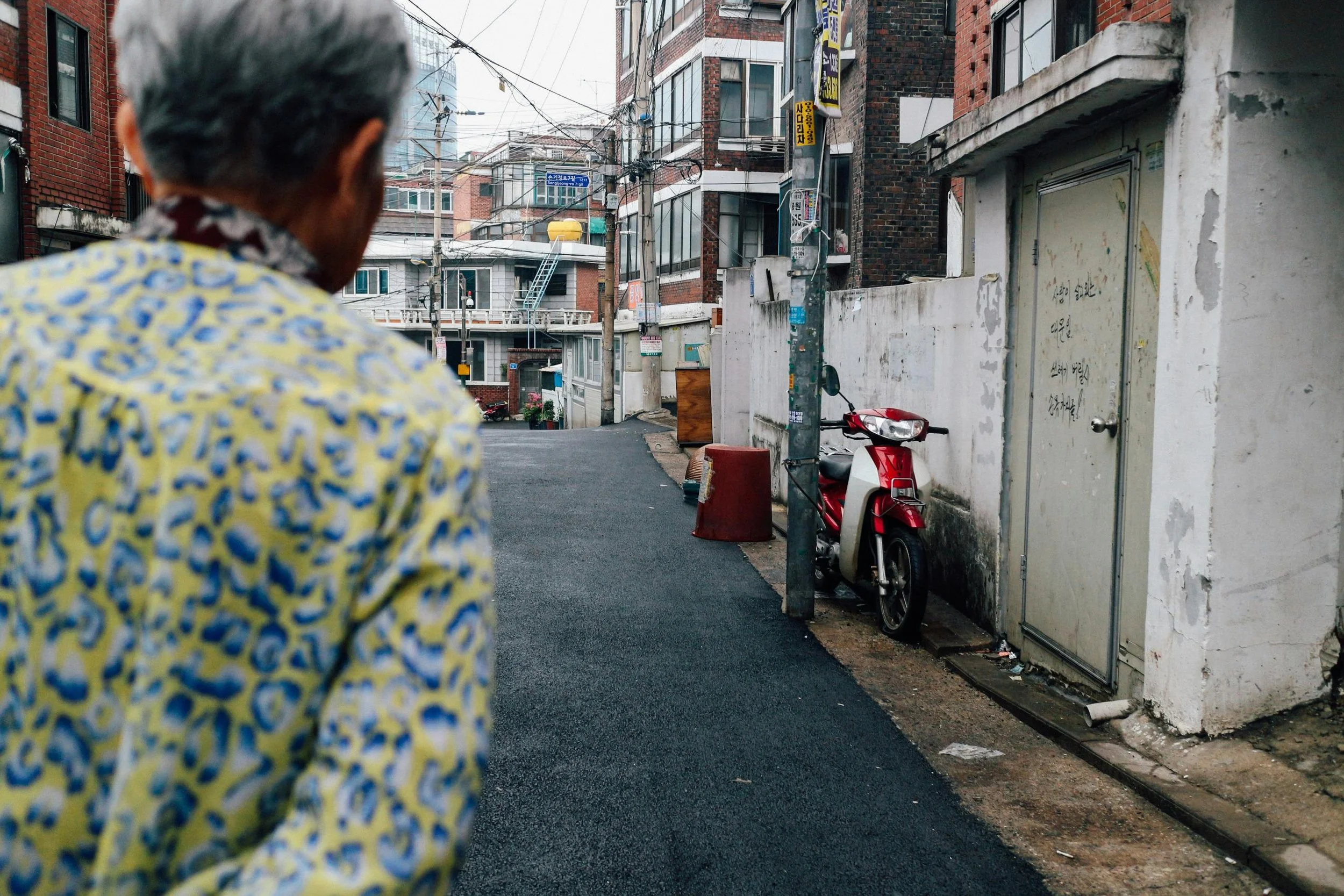
South Korea’s rapid aging is exposing a senior housing gap, driving government intervention and attracting institutional investors to the growing market. (Photo courtesy of Unsplash)
South Korea’s rapid transformation into a super-aged society is creating a new challenge beyond demographics: a shortage of suitable housing for a growing middle-income senior population.
The country officially entered the ranks of “super-aged societies” in 2024, with people aged 65 and above accounting for 20.3% of the population by early 2025, according to the 2025 Social Indicators of Korea report. The speed of the transition has been unprecedented, compressing a demographic shift that took other developed economies generations to complete into less than three decades.
The housing market, however, has struggled to keep pace.
For South Korea’s growing senior population, the problem is increasingly one of affordability and availability. Premium senior residences are expanding rapidly, particularly as affluent baby boomers embrace “well-aging” lifestyles focused on wellness, independence, and quality of life.
At the other end of the market, public rental housing provides support for lower-income seniors. Between these two segments, however, a significant middle-market gap is emerging.
Middle-Class Seniors Face Limited Housing Choices
The Seoul Metropolitan Government estimates that around 490,000 seniors in the capital fall into this middle-class gap, with limited access to housing designed around their needs. At the same time, 77% of people aged 65 and above continue to live in older housing that may lack age-friendly infrastructure.
The mismatch reflects several structural barriers. Entry deposits for senior residences can exceed 1 billion won, while monthly maintenance and service costs can reach levels beyond the pension income of many retirees. Established senior residences can also have waiting periods extending for years.
The result is growing demand for senior housing that sits between luxury residences and conventional public housing.
Seoul is attempting to address the gap through its “Seoul-Type Senior Housing” initiative, which aims to supply 12,000 units by 2035. The program is designed to create a more accessible middle-market option, with housing costs positioned below those of private senior residences.
The city is also offering interest-free financial support of up to 60 million won to homeless elderly residents, seeking to reduce financial barriers to more appropriate accommodation.
Institutional Investors Move Into Senior Living
The housing shortage is also attracting growing interest from institutional investors, signaling that senior living is increasingly being viewed as a long-term real estate and services opportunity rather than solely a social welfare issue.
In late 2024, U.S. asset manager Invesco formed a joint venture with Korean care leader Caredoc, while Warburg Pincus partnered with SK D&D to develop senior-living platforms. Mastern Investment Management has also raised $150 million for a dedicated senior housing fund, highlighting the growing appetite for specialized capital targeting the sector.
These moves could help expand professional senior-living capacity as demand increases, while bringing new financing models and operational expertise into the market.
Regulatory changes could further accelerate development. South Korea is amending the Welfare of the Senior Citizens Act to encourage the use of real estate investment trusts, or REITs, in senior housing. Meanwhile, the Financial Services Commission has outlined plans for lifestyle-focused insurance products covering areas such as dementia and retirement, potentially providing additional financial liquidity for older adults.
For investors and operators, the opportunity extends beyond physical housing. Future senior-living models are expected to combine accommodation with healthcare, wellness, lifestyle services, and technology, creating recurring revenue opportunities beyond traditional property development.
Technology is already becoming an important component. Smart-home systems using artificial intelligence can support health monitoring, concierge functions and other services intended to help seniors live more independently.
Yet the growing reliance on technology introduces another challenge: digital inclusion. Government data puts the elderly digital inclusion rate at 69.1%, suggesting that technology-heavy housing models could leave a significant portion of the target population behind if accessibility is not built into their design.
From Housing Shortage to K-Aging Opportunity
South Korea’s experience demonstrates how rapidly demographic change can reshape demand for housing, healthcare, and financial services.
Bank of Korea Governor Rhee Chang-yong has described the demographic shift as a structural change capable of creating new demand. With South Korea’s silver economy projected by Kyunghee University’s Institute of AgeTech & Silver Economy to reach $128 billion by 2030, the commercial potential is becoming increasingly difficult to ignore.
The immediate challenge, however, is ensuring that senior housing development reaches beyond the affluent segment and provides viable choices for the expanding middle class.
If South Korea can close that gap while integrating healthcare, wellness, financial services, and accessible technology, its response to rapid aging could become a model for other Asian economies facing similar demographic pressures.
The emerging “K-aging” model could therefore become more than a domestic housing strategy. It may evolve into an exportable blueprint for adapting cities, real estate markets, and care services to an aging population.
Source: The Korea Times, Seoulz, Seoul Economic Daily
🚀 Connect with Global Leaders in Aging & Care Innovation!
Sourcingcares links international partners in aging care, long-term care, and health technology, fostering collaboration and driving solutions for a changing world. Our initiatives include Cares Expo Taipei, where the future of elder care takes shape!
🔗 Follow us for insights & opportunities:
📌 Facebook: sourcingcares
📌 LinkedIn: sourcingcares
📍 Explore more at Cares Expo Taipei!
