
US Senior Housing Market Signals Strong Recovery: Brookdale's Performance Reflects Industry Transformation
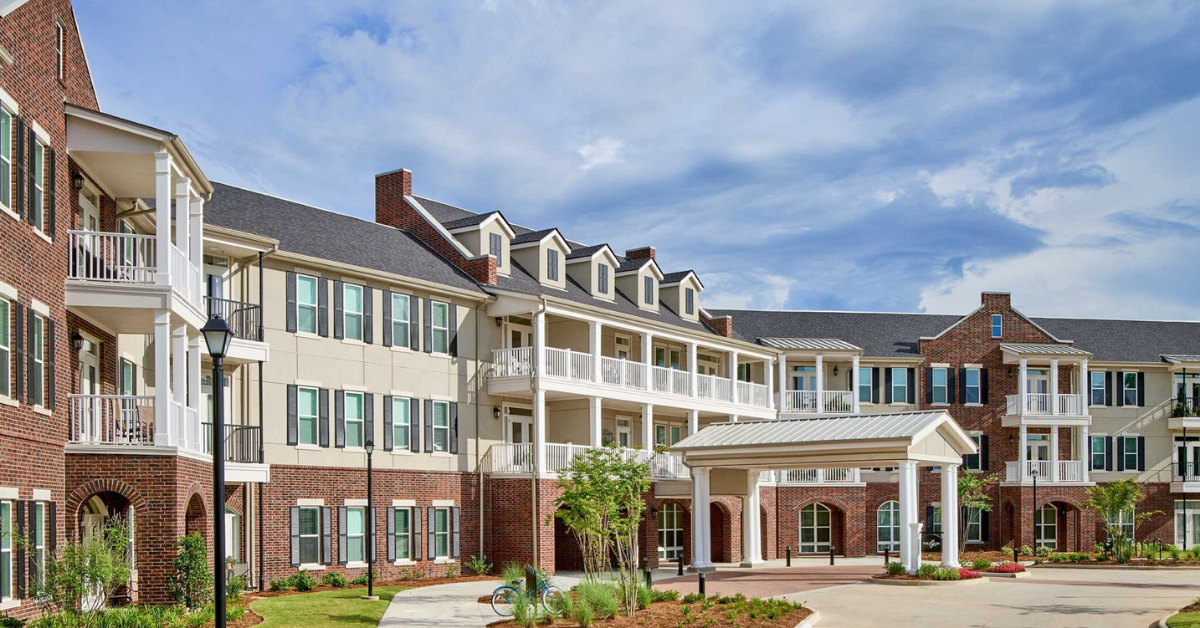
The U.S. senior housing recovery is no longer cyclical—it is structural, driven by accelerating 80+ demographics, record-low new supply, and a shift toward personalized, tech-enabled living models. (Source: Pexels)
December 2025 Occupancy Gains 310 Basis Points Year-Over-Year as Demographics, Innovation, and Supply Constraints Reshape the Sector
The US senior housing market is experiencing a fundamental recovery driven by demographic forces and structural supply-demand imbalances. Brookdale Senior Living Inc. (NYSE: BKD), the nation's largest senior housing operator, reported December 2025 weighted average occupancy of 82.4%, representing a 310 basis point improvement year-over-year—a performance that mirrors broader industry momentum as Baby Boomers enter their 80s and new supply remains historically constrained.
Operating 584 communities across 41 states serving approximately 51,000 residents, Brookdale's fourth quarter consolidated weighted average occupancy reached 82.5%, marking a 70 basis point sequential increase and a 310 basis point year-over-year gain. Notably, December's weighted average occupancy declined only 10 basis points month-over-month, substantially outperforming the historical seasonal trend of approximately 30 basis points, demonstrating operational resilience during traditionally challenging winter months.
The stock market has recognized this trajectory, with Brookdale's shares delivering 125.15% price return over the past year, trading near its 52-week high of $11.64. The January 13, 2026, closing price of $11.01 reflected a modest 1.70% decline with volume of 2.23 million shares, down 29.26% from the prior session.
Industry-Wide Occupancy Surge Signals Structural Tightening
Brookdale's performance reflects sector-wide momentum. National senior housing occupancy reached 88.7% in the third quarter of 2025, up 70 basis points quarter-over-quarter and marking the 17th consecutive quarterly increase. Independent living climbed to 90.2% and assisted living to 87.2%, while inventory growth hit a record low in 2025.
The recovery's breadth is striking: eleven of the last 16 quarters saw the highest absorption volumes in industry data history, with three of the last four quarters exceeding 6,000 units filled in primary markets. This sustained demand is fueled by demographics—the first Baby Boomers turned 80 in 2025, with the 85-plus population set to double by 2040.
Supply constraints are creating historic tailwinds. Second quarter inventory growth was just over 800 units, while the eight pre-pandemic quarters averaged nearly 5,000 units added per quarter in primary markets. Annual inventory growth stood at just 0.7% in Q3 2025, with only 20,034 units under construction compared to a projected need of more than 250,000 units through 2027.
Emerging Trends Reshaping Senior Housing
Personalization and Flexible Care Models
The next generation of residents is demanding more than institutional care. Many senior living providers are emphasizing brain health improvement as a key competitive advantage, with the Blue Zones movement now encompassing 75 certified communities affecting more than five million lives.
Mega-complexes with hundreds of residents are giving way to boutique-style communities focused on intimacy and personalization, with design mirroring co-housing and wellness retreats rather than institutions. Communities are moving beyond rigid independent or assisted labels, offering continuum-of-care models allowing residents to add or drop services as needs change.
Technology Integration
Smart home devices, artificial intelligence, and telemedicine are enhancing residents' quality of life, with technology serving as both a safety net and a bridge to independence. Residents and families want convenient, connected, and secure communities, making technology integration a key trend in 2025.
Remote monitoring, wearable devices, and AI-powered health tracking are becoming standard features, while communities invest in eliminating siloed systems to create data interoperability essential for integrated care delivery.
Addressing the "Forgotten Middle"
The "forgotten middle" remains one of the largest untapped opportunities—millions of older adults do not qualify for subsidized housing but cannot afford luxury options. Innovative solutions include membership-style arrangements with monthly subscriptions and à la carte services, with some communities adopting Airbnb-like models for short stays or trial runs.
Public-private partnerships are emerging to create affordable options without sacrificing quality, with co-located communities blending active adult living with preventative healthcare services.
Solo Agers and New Household Structures
Nearly one in five older adults is aging without children, with rates even higher among women. Research indicates that 42% of solo agers are not satisfied with their lives and have poorer mental health than supported agers, often due to isolation and loneliness.
Communities are responding with new services such as financial planning, volunteer matching, continuing-care-at-home memberships, and support networks to help solo agers create roadmaps for the future.
Active Adult: The Bridge Product
The active adult occupancy rate stood at 92.1% in Q3, while communities open at least two years achieved occupancy rates near 96%. This segment acts as a bridge between conventional multifamily and independent living, though penetration remains below 1% nationally, representing significant growth potential.
Capital Markets and Investment Outlook
The sector's operational strength is attracting significant capital. More than 84% of investors expect cap rates to compress over the next 12 months, with debt availability improved markedly and investor appetite returned in a big way.
Industry transaction data shows rolling four-quarter deal volume at its highest level since Q2 2022, with construction financing typically at 60-65% loan-to-cost. Healthcare REITs are deploying record capital, with Welltower's $3.2 billion Amica Senior Lifestyles acquisition illustrating the scale REITs will transact to secure premier portfolios.
Looking Forward
The fundamental driver remains demographic. A person turning 65 today has a nearly 70% chance of needing some type of long-term care in their remaining years, while industry estimates show more than 40% of seniors can pay for senior housing without liquidating assets.
With average construction cycles now stretched to 29 months, projects breaking ground in early 2026 are unlikely to open before 2028, ensuring near-term supply constraints persist. For operators like Brookdale executing effectively amid favorable conditions, the multi-year growth cycle appears sustainable as the sector transitions from post-pandemic recovery into a new era driven by the largest demographic wave in US history.
🚀 Connect with Global Leaders in Aging & Care Innovation!
Sourcingcares links international partners in aging care, long-term care, and health technology, fostering collaboration and driving solutions for a changing world. Our initiatives include Cares Expo Taipei, where the future of elder care takes shape!
🔗 Follow us for insights & opportunities:
📌 Facebook: sourcingcares
📌 LinkedIn: sourcingcares
📍 Explore more at Cares Expo Taipei!
Source:
