
Thailand’s Care Food Market: How a Rapidly Aging Society Is Turning Nutrition into Care Infrastructure
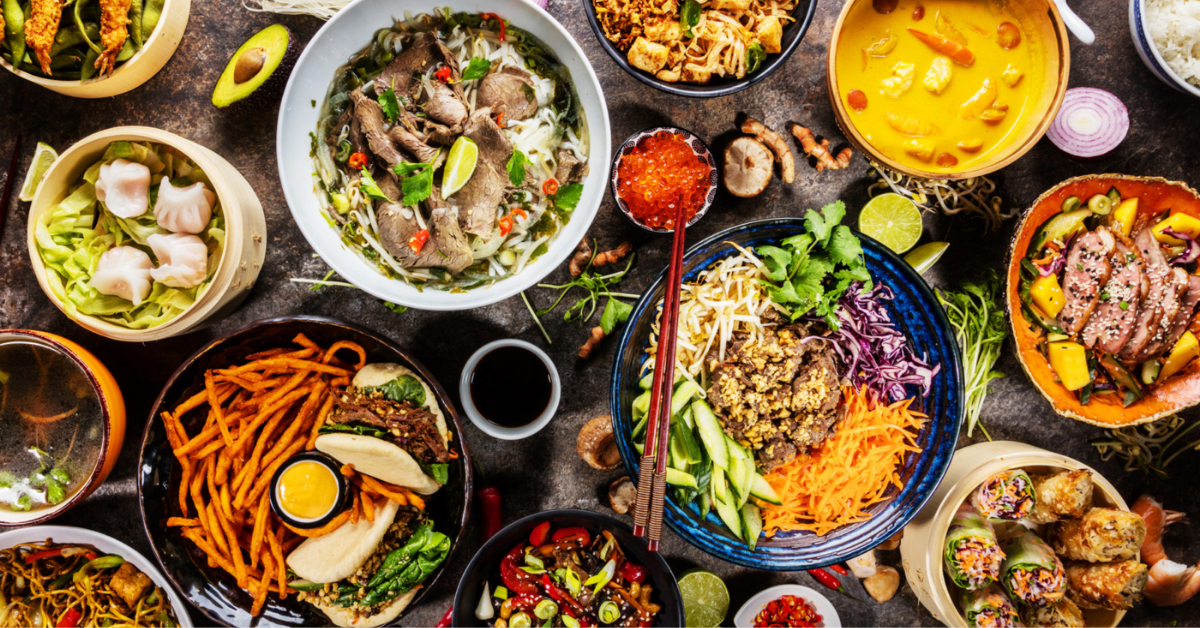
Thailand’s response to rapid aging is redefining eldercare—shifting it from welfare and facilities to nutrition-led, consumer-driven care infrastructure. (Source: Pexels)
Thailand is moving faster than almost any country in Southeast Asia toward a super-aged society—and its response is not centered on institutional care, but on food as frontline care infrastructure.
As of 2024, Thailand’s population aged 65 and above has reached 13.2 million, accounting for 20% of the population, officially classifying the country as an aged society. By 2030, this figure is projected to rise to 28%, placing Thailand on track to become a super-aged society nearly two decades earlier than most ASEAN peers.
What might appear as a demographic crisis is increasingly being reframed by policymakers and industry as a structural growth opportunity within the silver economy, with care food—functional, preventive, and personalized nutrition—emerging as a central pillar.
Care Food as an Economic Engine, Not Welfare Spending
Thailand’s aging transition is catalyzing a shift away from welfare-first thinking toward nutrition-led prevention and self-managed health.
Senior consumption reached 2.18 trillion baht in 2023 and is projected to rise to 3.5 trillion baht by 2033, with food and daily necessities accounting for the largest share. Notably, 37% of Thai seniors remain economically active, reinforcing a key insight: older adults are not passive care recipients, but high-agency consumers with purchasing power.
This reality is reshaping how care food is positioned—not as subsidized assistance, but as market-driven, lifestyle-integrated health support.
Market Momentum: Where Care Food Is Scaling Fastest
Thailand’s broader functional food ecosystem is already sizable, but growth is accelerating most clearly in segments aligned with aging and chronic health management:
Dietary supplements market: USD 5.72B (2024) → USD 12.98B (2033), 9.5% CAGR
Personalized nutrition foods: 54.6B baht by 2025, growing at 14.2% annually
Functional beverages: 52.4B baht by 2025, driven by convenience and liquid nutrition adoption
Within this landscape, care food is defined less by age labeling and more by functional outcomes—digestive health, muscle preservation, oral health, hormone balance, and inflammation control.
Four Defining Trends in Thailand’s Care Food Development
1. Localization: Modernizing Traditional Herbal Wisdom
Thailand’s care food innovation is deeply localized. Ingredients such as ginger, turmeric, galangal, lemongrass, and fingerroot (krachai) are being reformulated into immune drinks, gut-health powders, and liquid supplements.
In plant-based liquid nutrition, traditional herbs already account for over 30% of market share, demonstrating how cultural familiarity accelerates adoption among older consumers.
2. Protein, Liquids, and Easy Absorption
The fastest growth is occurring in liquid protein and amino acid supplements, projected to expand at a 14.8% CAGR. Ready-to-drink formats—collagen beverages, high-protein health drinks, amino acid shots—align with aging-related chewing, digestion, and absorption challenges.
This reflects a broader shift: care food prioritizes usability over branding, especially in senior populations.
3. Functional Differentiation by Life Stage
Thailand’s care food market is increasingly segmented by age, gender, and functional need:
Adults 55+ prioritize gut health and fiber over probiotics
Women-focused products target sleep, mood, and menopause regulation
Oral health foods are gaining traction, driven by high rates of untreated dental issues
Rather than “one-size-fits-all senior nutrition,” brands are moving toward life-stage-specific care nutrition.
4. Transparency Over Complexity
Consumer trust has become a competitive differentiator. Surveys show skepticism toward products with long ingredient lists or unclear processing. Many consumers perceive freshly prepared functional drinks as superior to packaged alternatives.
As a result, successful care food brands emphasize:
Fewer ingredients
Clear functional claims
Transparent sourcing and formulation logic
Policy Signals: From Supportive to Strategic
Thailand’s government has laid the groundwork for care food growth through long-term planning, but recent policy evolution is more explicit in linking aging to economic strategy.
Under the new five-pillar framework (2024 onward), the state emphasizes:
Preventive health from birth to end of life
Turning demographic aging into economic opportunity
Supporting independence and productivity among older adults
Nutrition—particularly functional and preventive food—is increasingly treated as cost containment strategy, reducing downstream healthcare burden rather than reacting to illness.
Strategic Outlook: Care Food as Core Silver Economy Infrastructure
Thailand’s experience illustrates a broader global lesson: In aging societies, food becomes care before medicine does.
Care food is becoming:
A preventive health tool
A consumer-led alternative to institutional care
A scalable solution amid caregiver shortages
As Thailand approaches super-aged status by 2030, its care food ecosystem offers a preview of how aging economies can convert demographic pressure into nutrition-led resilience.
For global markets facing similar trajectories, Thailand’s model shows that the future of eldercare may begin not in hospitals—but in everyday nutrition designed to sustain independence, dignity, and vitality.
🚀 Connect with Global Leaders in Aging & Care Innovation!
Sourcingcares links international partners in aging care, long-term care, and health technology, fostering collaboration and driving solutions for a changing world. Our initiatives include Cares Expo Taipei, where the future of elder care takes shape!
🔗 Follow us for insights & opportunities:
📌 Facebook: sourcingcares
📌 LinkedIn: sourcingcares
📍 Explore more at Cares Expo Taipei!
Source:
