
“Skin Longevity” Replaces Anti-Aging as Global Skincare Industry Shifts to Prevention-First Strategy
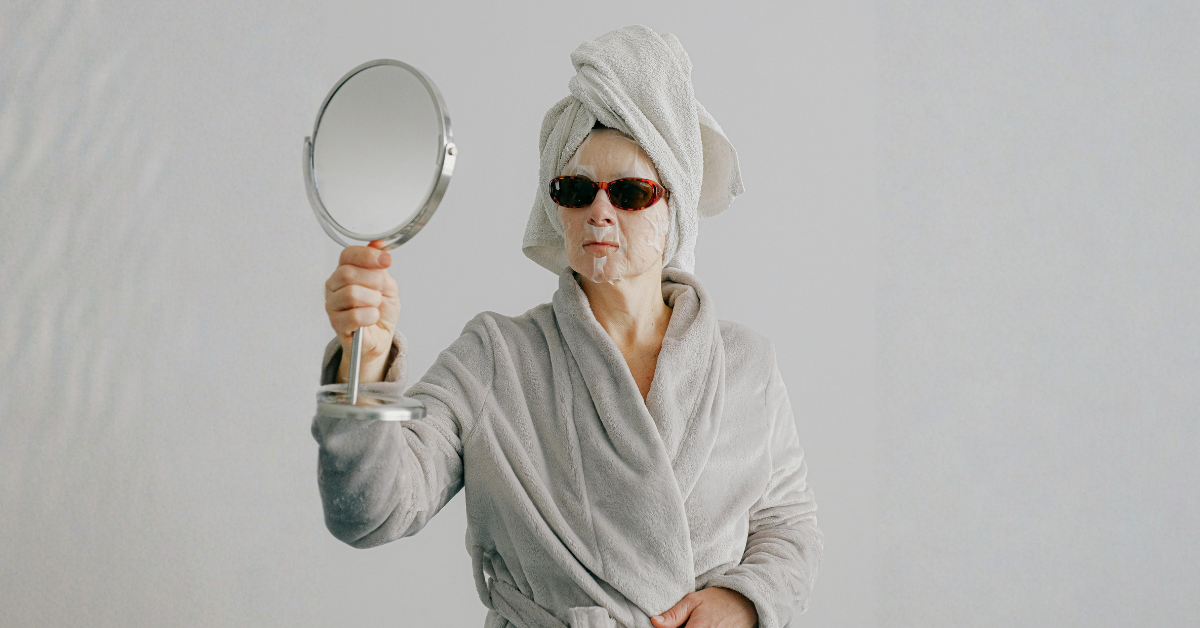
Skin longevity marks a decisive shift in the $400B skincare industry—from correcting visible aging to preventing biological decline at the cellular level, redefining skincare as a form of long-term health management rather than cosmetic treatment. (Source: Vogue Arabia)
Cellular-level interventions and longevity science redefine a $407 billion market
The global skincare industry is undergoing a structural transformation as “skin longevity” replaces traditional anti-aging narratives, signaling a shift from short-term cosmetic correction toward preventive, cellular-level skin health management.
Valued at $184.6 billion in 2024, the global skincare market is projected to reach $407 billion by 2035, expanding at a 7.4% compound annual growth rate (CAGR). Growth is increasingly driven by consumer demand for science-backed formulations designed to extend “skinspan”—the period during which skin maintains optimal biological function and resilience—rather than merely reversing visible signs of aging.
In the United States, the anti-aging segment alone is estimated at $21.96 billion in 2025 and is expected to nearly double to $42.92 billion by 2035, reflecting a broader reframing of aging from something to be corrected to something to be managed proactively across the lifespan.
From Anti-Aging to Skin Longevity: A Paradigm Shift
Industry stakeholders describe the transition as a move from reactive skincare to preventive health optimization. Younger consumers are adopting early intervention routines, while older demographics increasingly prioritize long-term skin integrity over immediate wrinkle reduction.
Medical aesthetics has begun formalizing the concept of skinspan, integrating it into clinical consultations. Unlike conventional anti-aging products that target visible damage after it occurs, longevity-oriented formulations address biological drivers of skin aging, including genomic instability, mitochondrial dysfunction, cellular senescence, and impaired proteostasis.
Dermatologists note that while the terminology is new, the underlying medical principle reflects long-standing clinical consensus: protecting skin early and preserving cellular function slows structural degradation over time.
The Science Behind Longevity Skincare
Longevity-focused cosmeceuticals increasingly align with geroscience, targeting the 12 recognized hallmarks of aging across primary, antagonistic, and integrative pathways.
Key areas of innovation include:
Senescent Cell Modulation
Senescent, or “zombie,” cells contribute to chronic inflammation, impaired wound healing, and tissue thinning. Ingredients such as EGCG, niacinamide, NAD⁺ precursors, and retinoids are positioned as senolytic-adjacent compounds that mitigate downstream effects without direct cell elimination.
Mitochondrial and Energy Support
Formulations now emphasize mitochondrial health, recognizing that effective skin regeneration requires sustained cellular energy, balanced inflammation, collagen synthesis, and barrier function.
Epigenetic Intervention
Early-stage research into epigenetic modulation and partial cellular reprogramming suggests potential for measurable biological age reversal, with human trials anticipated later this decade. AI-driven platforms increasingly model individual “skin trajectories” to guide personalized regimens.
Market Segmentation and Consumer Dynamics
Face creams and moisturizers accounted for 41.9% of global revenue in 2025, while men’s skincare represents the fastest-growing segment, projected to expand at a 3.5% CAGR through 2033. The male grooming category has evolved beyond basic hygiene toward simplified, performance-oriented longevity formulations.
The female segment, which held 61.3% of market share, continues to drive demand for advanced serums, masks, peels, and regenerative treatments, increasingly positioned as part of holistic self-care and wellness routines rather than beauty alone.
Technology as a Growth Catalyst
Major beauty conglomerates are accelerating investment in AI, biotechnology, and advanced delivery systems:
AI-powered personalization enables product recommendations based on biological age markers rather than demographics.
Nanotechnology and encapsulation improve penetration and stability of active ingredients.
Microbiome-centered formulations link skin health to stress resilience and immune modulation, expanding skincare’s relevance beyond aesthetics.
L’Oréal’s Longevity AI Cloud, for example, integrates diagnostics and predictive modeling to align skincare interventions with long-term biological outcomes.
Beyond Retinol: Ingredient Innovation
Next-generation actives with emerging geroscience support—including fisetin, spermidine, astaxanthin, and advanced peptide systems—are gaining traction, though regulatory scrutiny and delivery challenges remain.
Korean beauty continues to influence global trends, particularly with PDRN, EGF, and regenerative ampoules, reinforcing Asia-Pacific’s role as a leading innovation hub.
Implications for Long-Term Care and Healthcare Systems
Skin longevity is increasingly viewed as a systemic health indicator, with direct relevance to eldercare. Frail skin significantly increases risks of tears, infections, and inflammation-related complications, contributing to higher care costs.
Longevity principles—barrier preservation, inflammation control, and cellular resilience—are being translated into preventive care protocols in long-term care and aging-in-place settings, positioning skincare as a functional healthcare intervention rather than a discretionary product.
Outlook: Skincare as Preventive Medicine
Industry analysts anticipate a future where skin’s biological age, inflammatory markers, and cellular energy levels are monitored as routinely as traditional health indicators.
By 2026, skincare portfolios are expected to prioritize long-term resilience over aggressive intervention, reinforcing the industry’s transition from beauty category to a preventive health and longevity ecosystem.
As consumer expectations shift toward evidence-based outcomes and measurable benefits, skin longevity is emerging not as a marketing trend, but as a redefinition of skincare’s role in global health and aging societies.
🚀 Connect with Global Leaders in Aging & Care Innovation!
Sourcingcares links international partners in aging care, long-term care, and health technology, fostering collaboration and driving solutions for a changing world. Our initiatives include Cares Expo Taipei, where the future of elder care takes shape!
🔗 Follow us for insights & opportunities:
📌 Facebook: sourcingcares
📌 LinkedIn: sourcingcares
📍 Explore more at Cares Expo Taipei!
Source: Vogue Arabia
