
Malaysia Pioneers Halal Medical and Global Wellness Tourism
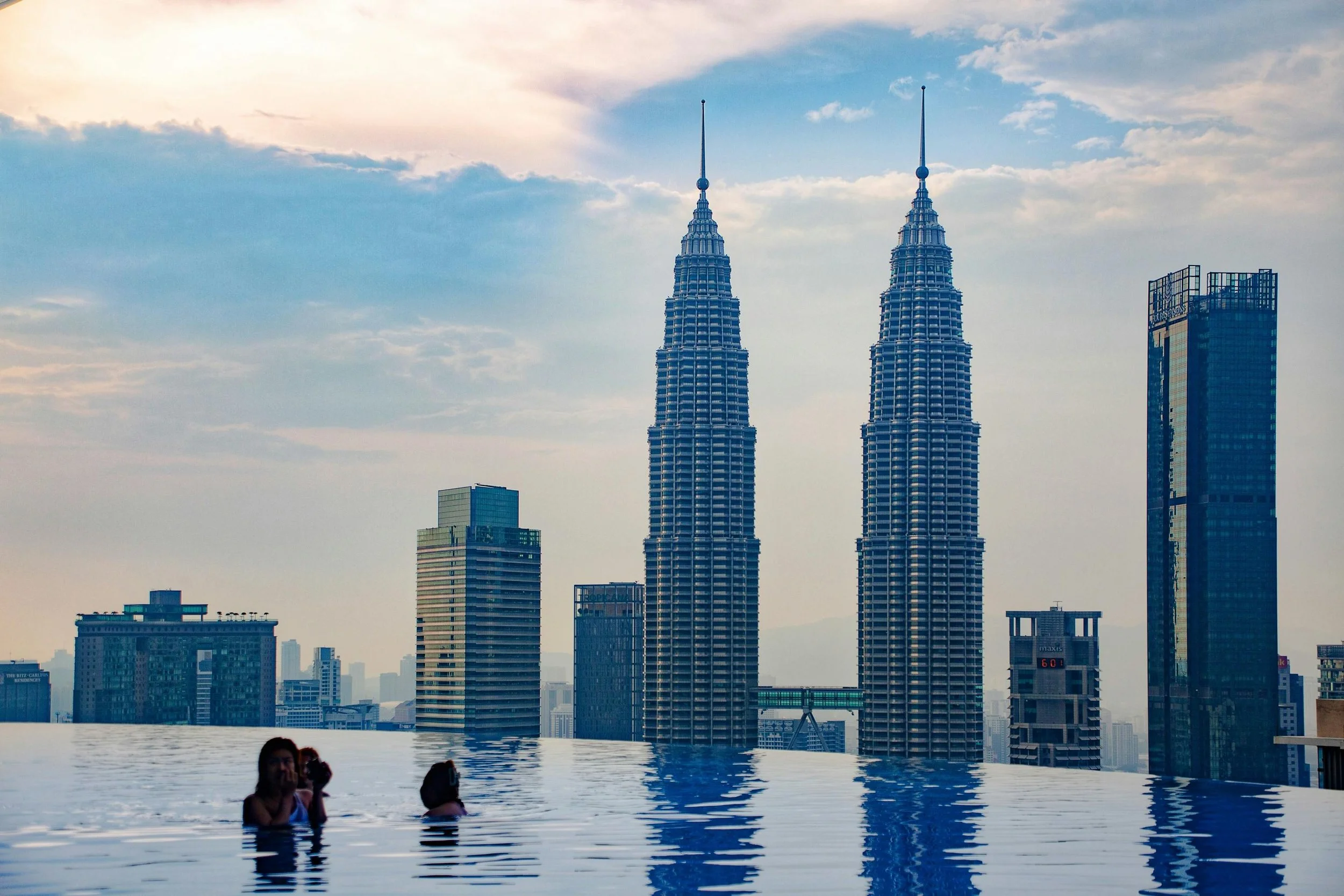
Malaysia is cementing its lead in Southeast Asian healthcare by blending cost-effective medical excellence with the world’s first Muslim-friendly spa guidelines. (Photo Courtesy of Unsplash)
Southeast Asia is rapidly establishing itself as the global “bright spot” for private healthcare investment, with a regional market projected to reach nearly $5 trillion by 2030. At the heart of this boom is Malaysia, a nation that is aggressively carving out a niche as a primary destination for medical, rehabilitative, and wellness tourism. Driven by a unique combination of cost-effectiveness, high-quality infrastructure, and a dominant lead in Halal-compliant care, Malaysia is now challenging established leaders like Singapore and Thailand for regional supremacy.
In a groundbreaking move to solidify this leadership, the nation has just expanded its Halal ecosystem beyond traditional clinical walls and into the luxury wellness sphere, capturing an exploding global market.
The Halal Advantage: Launching the World’s First 'Modest Spa' Guidelines
Perhaps the most significant driver of Malaysia's growth is its dominance in Muslim Wellness tourism. As a Muslim-majority nation, Malaysia offers an inherent cultural affinity that acts as a powerful magnet for travelers from the Middle East and neighboring Indonesia.
To capitalize on this, the Islamic Tourism Centre (ITC) in Malaysia has signed a landmark agreement with the Association of Malaysian Spas (AMSPA) to launch the world’s first Muslim-friendly spa and wellness guideline and training programme. With the global Muslim population reaching two billion, the ITC notes that the demand for high-end, culturally sensitive wellness is currently “exploding”.
According to the ITC, these new guidelines serve as “a masterclass in privacy, modesty and personal comfort—trends that are currently dominating the slow travel and wellness movements”. Developed entirely in Malaysia, the framework provides an adaptable model for international 5-star spa operators aiming to capture the lucrative “modest traveller” segment. The programme is a core component of the ITC’s Muslim-friendly tourism and hospitality assurance and recognition initiative, which sets the absolute ‘gold standard’ for service delivery in this growing tourist market.
This institutional framework integrates seamlessly into Malaysia's existing medical infrastructure. Malaysian private hospitals have long incorporated Shariah-compliant practices, including Halal-certified cuisine and religious-sensitive care models, directly into their service offerings. This provides a level of cultural and religious comfort that is difficult for non-Muslim majority neighbors to replicate. While Singapore and Thailand are attempting to develop Shariah-compliant solutions, they lack the organic cultural similarity and national regulatory frameworks that Malaysia provides.
Comparative Landscape: Value vs. Complexity
This unique cultural positioning allows Malaysia to thrive in a highly competitive, "dual-speed" regional market alongside Thailand and Singapore, where each nation is refining its strategy to capture different segments of the international patient pool.
Singapore has long been the gold standard for healthcare in the region, known for high professionalism and safety standards. However, its position is under threat as an appreciating Singapore dollar and high base costs direct patient flows toward cheaper markets for standard procedures. Consequently, Singapore is shifting its focus toward high-complexity cases, such as proton therapy and advanced cardiac surgery.
Thailand remains the regional leader in volume and total valuation, with its medical tourism industry valued at USD 8.6 billion in 2025. Thailand is currently undergoing a "value-over-volume" shift, moving away from mass-market elective surgeries toward high-margin tertiary care involving robotics and genomic integration. Thailand also leads in the creation of specialized leisure-integrated wellness hubs, such as Hua Hin for geriatric care and Chiang Mai for long-stay recuperation.
Malaysia’s competitive edge lies in its ability to offer a perfect middle ground: high-quality tertiary services—such as cardiology and nephrology—at a price point that undercuts Singapore, while simultaneously offering a degree of cultural comfort, privacy, and modest wellness infrastructure that Thailand often lacks for specific demographics.
The Malaysian Rebound: Growth and Hubs
The data underscores the success of this multifaceted approach. Malaysia’s medical tourism sector has demonstrated a remarkable post-pandemic recovery. In 2023, the country attracted 1.4 million international visitors, generating RM 2.25 billion in revenue and surpassing its pre-pandemic peak of RM 1.7 billion. Market analysts project this momentum to continue, with medical tourism revenue expected to rise at a 23% CAGR through 2025.
The growth is concentrated in two primary geographical hubs: Penang and the Klang Valley (including Kuala Lumpur and Selangor). These regions draw patients through state-of-the-art facilities and treatment options that remain significantly more affordable than those in the West or neighboring Singapore. For example, while a heart bypass in Singapore can exceed $18,000, the same procedure in Malaysia ranges between $12,000 and $13,000.
This financial and cultural alignment is most evident in Malaysia's relationship with Indonesia, which accounted for 54% of all medical tourism arrivals in 2021. High-income Indonesians frequently seek care in Malaysia due to a perceived lack of high-quality infrastructure and specialized doctor supply in their domestic system. The shared language (Bahasa) and religious values make Malaysia the default choice for these affluent patients.
Beyond the Hospital: Rehab and Wellness
As the line between medical recovery and holistic wellness blurs, Malaysia is expanding its footprint in rehabilitative and long-term care sectors, driven by a rapidly aging regional population. By 2050, 16.8% of Malaysia's population is expected to be over 65, creating a structural need for specialized geriatric services.
Major providers like IHH Healthcare are leading this charge, recently acquiring Island Hospital in Penang to serve as a Southeast Asian medical-tourism hub. Furthermore, Malaysia is seeing a distinct shift from inpatient treatment to ambulatory and outpatient care, aimed at increasing efficiency and meeting the rising demand for long-term condition management. The introduction of certified Muslim-friendly wellness spaces and spas directly compliments this shift, allowing recovering patients an elite, private environment to recuperate.
The Road Ahead: Challenges and Outlook
Despite the bright outlook, Malaysia faces hurdles, most notably a shortage of specialized physicians and nurses. This talent bottleneck, combined with medical inflation rising at 10% to 15% annually, could eventually squeeze margins for private operators.
However, the regional trajectory remains overwhelmingly positive. With robust government support through the Malaysia Healthcare Travel Council (MHTC), pioneering initiatives from the ITC, and a growing reputation for excellence in specialized niches, Malaysia is well-positioned to remain a top-tier destination. For the global investors and the international patients alike, Malaysia’s blend of Halal-compliant, modest wellness and cost-effective clinical excellence represents the definitive future of Southeast Asian healthcare.
source: Travel Weekly, FPA Financial, L.E.K Consulting, and Future Market Insights
🚀 Connect with Global Leaders in Aging & Care Innovation!
Sourcingcares links international partners in aging care, long-term care, and health technology, fostering collaboration and driving solutions for a changing world. Our initiatives include Cares Expo Taipei, where the future of elder care takes shape!
🔗 Follow us for insights & opportunities:
📌 Facebook: sourcingcares
📌 LinkedIn: sourcingcares
📍 Explore more at Cares Expo Taipei!
