
Asia Adopts Japan's Integrated Elderly Care Model
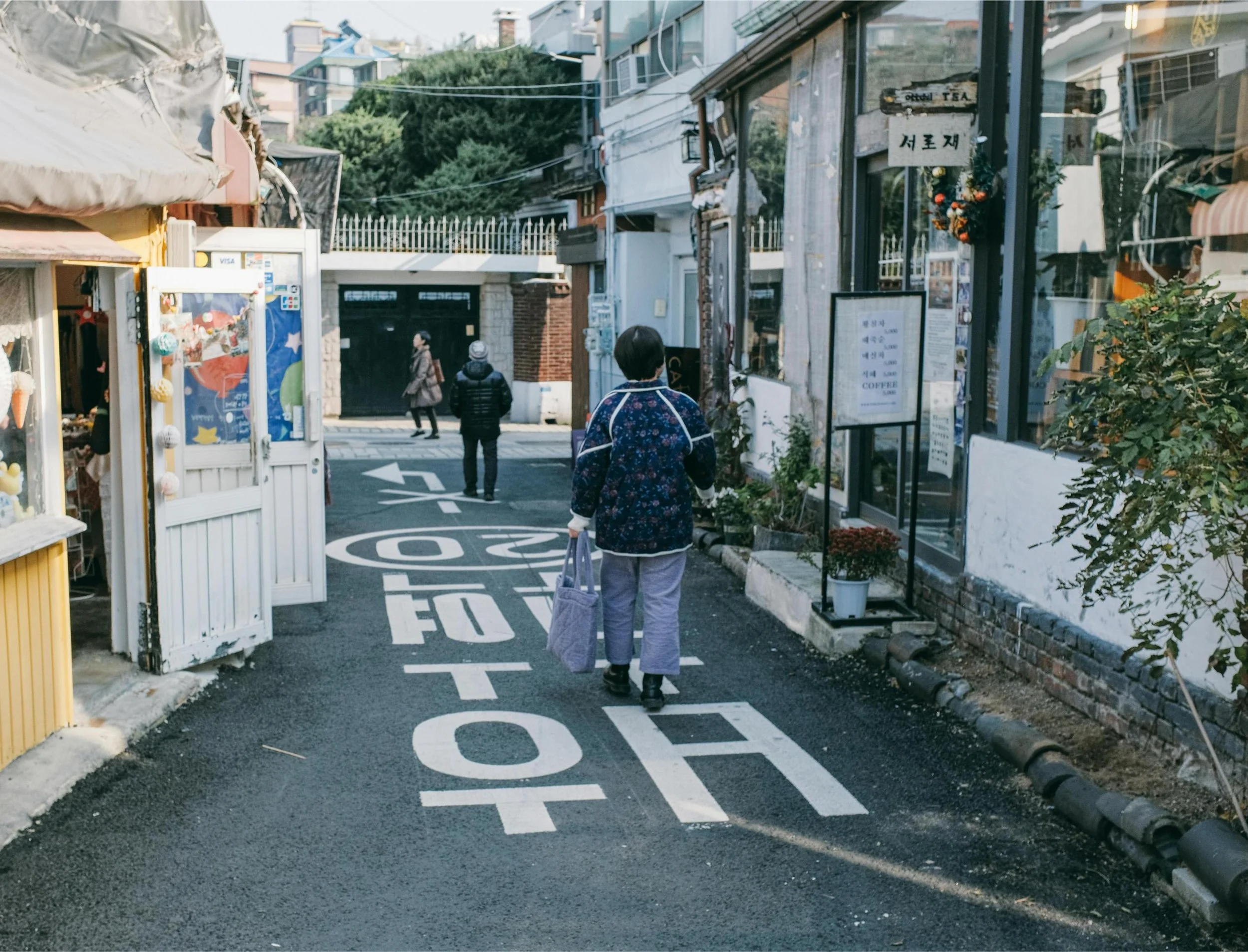
South Korea, Thailand, and Vietnam are actively adapting Japan’s integrated care model to address rapidly aging populations through community-based support. (Photo Courtesy of Pexels)
As an unprecedented demographic transformation accelerates across Asia, nations are rapidly turning to Japan—the world’s most aged society—for a policy blueprint to manage their graying populations.
Governments in South Korea, Thailand, and Vietnam are actively adapting Japan’s Community-Based Integrated Care System (CICS). The model relies on "one-stop" regional hubs (Chiiki Hokatsu) to coordinate medical care, long-term care, and community support within a 30-minute walking radius of residents' homes, aiming to allow seniors to "age in place" rather than languish in acute care hospital beds.
SOUTH KOREA: Landmark Nationwide Rollout Faces Staffing Bottlenecks
South Korea, which officially transitioned into a super-aged society in 2025, initiated a massive structural shift in its welfare delivery. On March 27, 2026, the government launched a nationwide Community Integrated Care Services program featuring a streamlined, unified application process.
Mirroring Japan's one-stop counter system, this new portal allows citizens to apply for medical, welfare, and long-term care programs simultaneously. Public response has been overwhelming, with nearly 9,000 citizens applying within the first two weeks alone, and older adults making up 98.8% of the applicant pool. To support the initiative, 422 home medical care centers have been designated across 228 administrative regions, focusing heavily on housekeeping, mobility assistance, meal support, and post-discharge home-visit medical services.
Key Institutional Hurdles:
Severe Personnel Shortages: Local governments in regions like Gijang, Hongcheon, and Yecheon counties are struggling to secure qualified personnel for home-visit services.
Regional Disparities: While elderly integrated care is widely available, similar integrated services for disabled individuals under 65 are accessible in only 102 regions.
Transition Vulnerability: Research highlights a critical post-discharge gap, showing that patients relocated to institutional long-term care hospitals face a threefold higher mortality risk than those who return directly home.
THAILAND: Local Municipalities Shift from Family Care to Japanese-Style Daycare
Holding the second-highest proportion of elderly residents in ASEAN, with over 20% of the population aged 60 or older, Thailand is utilizing Japan's framework to transition from traditional family-reliant care to municipal responsibility.
In a prominent regional development, the Bueng Yitho municipality collaborated with the Japanese town of Yugawara to establish Thailand's first municipally run daycare center, modeled after Japan’s Tsusho Kaigo concept. The facility currently offers rehabilitation, meals, and social opportunities for approximately 300 baht (around 1,490 yen) per day.
Thailand's adaptation uniquely centers on a "Happiness of Life" (HOL) philosophy adopted from Japanese private institutions, which prioritizes self-esteem and joy alongside clinical care. The Bueng Yitho model incorporates specialized health screening centers and dedicated social venues designed specifically to boost community participation among older men.
Infrastructure Disparities:
Unlike Japan, Thailand lacks mandatory Long-Term Care Insurance (LTCI) and remains heavily dependent on family members and certified paid volunteers. Furthermore, a severe geographic imbalance persists: over 60% of Thailand’s elderly care facilities are concentrated in the suburbs of Bangkok, leaving rural communities with critical shortages of specialized medical oversight and beds.
VIETNAM: Grassroots Mutual Aid Plugs Social Welfare Gaps
Faced with one of the fastest demographic aging rates in human history, Vietnam is leveraging the gojo (mutual support) pillar of Japan's model to compensate for its developing formal social welfare network.
The Intergenerational Self-Help Club (ISHC) model serves as the cornerstone of Vietnam’s community-based care. Established in 2021 in partnership with the World Bank and the Japan Social Development Fund, the initiative has grown to include 186 clubs benefiting over 24,000 people. These clubs mobilize community volunteers to provide essential home-visit care—such as bathing, medication management, and daily chores—for vulnerable seniors whom the government system cannot yet reach. Looking ahead, Vietnam has set an ambitious target to expand the ISHC model to reach 80% of all communes nationwide by 2030.
THE ROAD AHEAD: A Shared Asian Challenge
The sweeping adoption of community-centered care across South Korea, Thailand, and Vietnam marks a definitive regional shift away from institutionalizing the elderly. However, experts note that the transition requires more than just replication of facilities; it demands that nations overcome severe workforce shortages, bridge regional funding gaps, and foster systemic mutual support.
As Japan continues to refine its own system through triennial reviews, neighboring governments are watching closely to see if these community-based systems can successfully transform a looming demographic crisis into a "Silver Opportunity" for societal renewal.
source: Korea JoongAng Daily, Tuoi Tre News, World Bank Group
🚀 Connect with Global Leaders in Aging & Care Innovation!
Sourcingcares links international partners in aging care, long-term care, and health technology, fostering collaboration and driving solutions for a changing world. Our initiatives include Cares Expo Taipei, where the future of elder care takes shape!
🔗 Follow us for insights & opportunities:
📌 Facebook: sourcingcares
📌 LinkedIn: sourcingcares
📍 Explore more at Cares Expo Taipei!
