
Investors Turn to Intergenerational Living as Cities Age
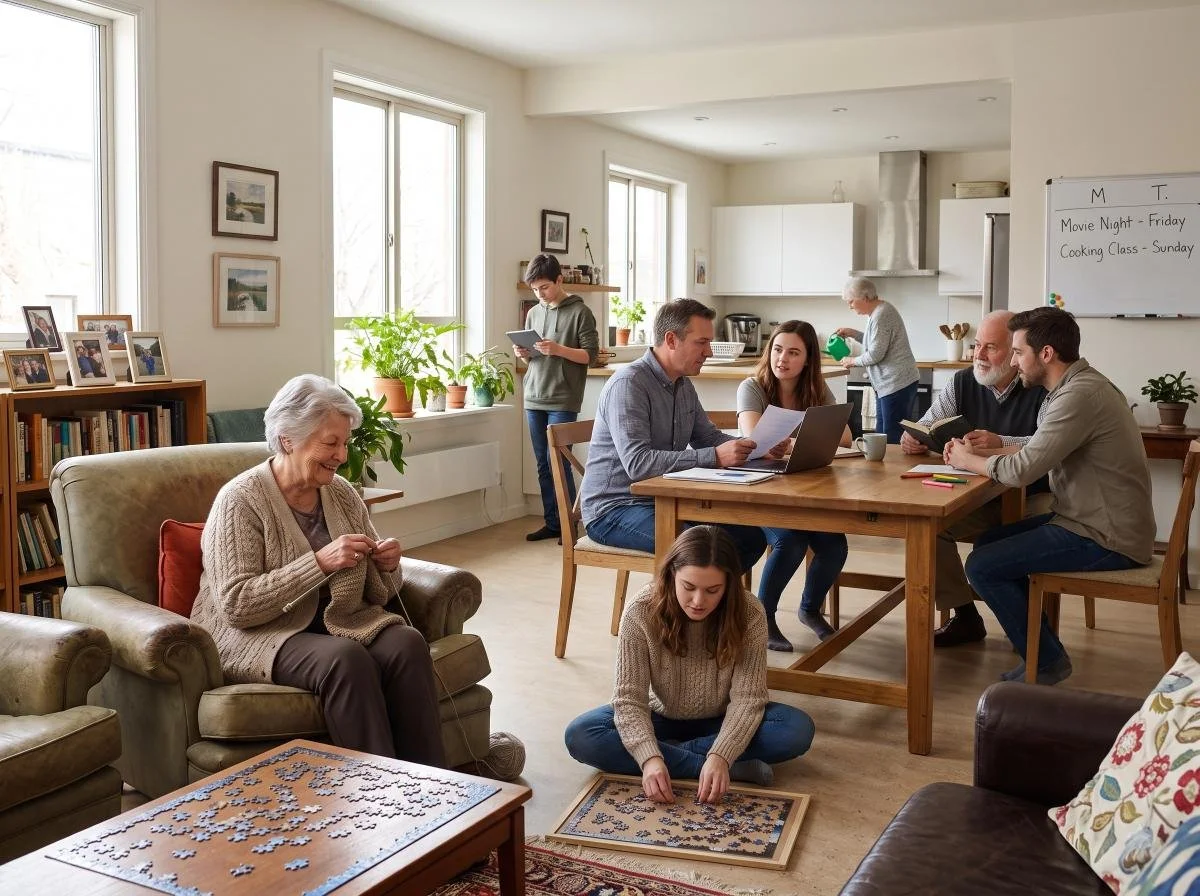
Singapore and Germany are pioneering intergenerational housing as ageing populations, housing shortages, and rising costs reshape urban real estate investment. (Stock Photo)
As ageing populations, housing shortages and rising development costs reshape urban markets, a new approach to residential living is gaining momentum: intergenerational co-living.
From repurposed schools in Singapore to cooperative housing developments in Germany, developers and investors are moving beyond traditional senior housing models to create communities where older people, younger residents and families can live alongside one another.
The shift reflects a broader change in how housing is viewed — not simply as accommodation, but as a platform combining housing, community and services.
Demographics and Housing Pressures Drive Change
Demographic change is providing a powerful catalyst. Germany is among the world’s fastest-ageing economies, with people aged 65 and above expected to account for about one-quarter of its population by 2030. Singapore is facing a similar challenge, with its population aged 60 and above expected to nearly double by 2050.
At the same time, housing supply constraints are pushing developers to consider unconventional properties and operating models.
In cities such as Berlin and Hamburg, high land and construction costs have made new developments increasingly difficult to deliver. Repurposing existing buildings can offer a faster and potentially more cost-efficient alternative.
Singapore faces an even more fundamental constraint: limited land. The government has therefore increasingly used state-owned properties to encourage new forms of residential development, including co-living.
Demand is also changing. In Germany, 66% of seniors now regard multi-generational housing as a viable option, highlighting a growing preference for social connection rather than living in age-segregated communities, according to the TK-Meinungspuls 2025 survey.
From Former Schools to Cooperative Communities
Singapore is already testing how intergenerational living can work at scale.
The Singapore Land Authority awarded a contract for the transformation of the former Henderson Primary School into an intergenerational co-living development involving The Assembly Place and Crawfurd Silver Care. The project is designed to combine apartments for independent seniors with recreational and community facilities that encourage interaction with younger residents through shared hobbies and activities.
Germany offers a different but complementary model.
In Berlin, Onni House provides a multi-generational environment in which residents from different age groups live within a shared community. Hamburg’s Seehof project, meanwhile, incorporates rooms allocated to seniors within a broader cooperative housing structure.
Smaller-scale Senioren-WGs, or senior shared apartments, in towns such as Dorfen and Neu-Ulm similarly focus on companionship, shared responsibilities and mutual support.
These models suggest that intergenerational housing does not necessarily require a single standardized format. Instead, it can range from professionally managed co-living developments to cooperative housing and smaller shared residences.
Investors See a Broader Residential Opportunity
The emerging model is also attracting attention from property investors seeking resilient, income-generating assets supported by basic housing demand.
One strategy is to build residential platforms spanning student accommodation, conventional co-living and senior living. By serving residents at different stages of life, operators can potentially create longer-term relationships with tenants while improving the utilization of management infrastructure.
Adaptive reuse is another attraction. Converting former schools, offices or ageing residential buildings can reduce construction requirements and potentially shorten development timelines compared with ground-up projects.
The trend extends beyond Singapore and Germany.
In Hong Kong, hotel-to-student-housing conversions are addressing a structural shortage of more than 80,000 beds, while the government’s “Hostel in the City” initiative encourages the reuse of underutilized properties. Japan is seeing an increased investor interest in refurbishing ageing buildings and developing smaller, flexible housing formats. South Korea’s transition from the traditional deposit-heavy jeonse system toward monthly rentals is also creating opportunities for professionally managed residential assets.
Singapore-based operator Coliwoo illustrates how the model could expand across Asia. Following a reported 97% occupancy rate in Singapore, the company is evaluating markets including Jakarta, Bangkok, Kuala Lumpur and Johor Bahru. Its international strategy is expected to be asset-light, relying on joint ventures with local partners that provide sites and regulatory expertise while Coliwoo contributes its operating platform and brand.
Longer term, the company is targeting higher-cost markets such as Tokyo, Sydney and Melbourne, where housing affordability pressures resemble those in Singapore.
For investors and developers, intergenerational housing therefore represents more than a niche senior-living concept. It points to a broader transformation in urban real estate, in which housing, social connection and services increasingly converge.
Singapore and Germany are emerging as early examples of how cities can respond to ageing populations while creating more integrated communities — potentially offering a blueprint for other markets facing the same demographic and housing pressures.
Source: edgeProp.sg, TrendHunter, RICS, Knight Frank
🚀 Connect with Global Leaders in Aging & Care Innovation!
Sourcingcares links international partners in aging care, long-term care, and health technology, fostering collaboration and driving solutions for a changing world. Our initiatives include Cares Expo Taipei, where the future of elder care takes shape!
🔗 Follow us for insights & opportunities:
📌 Facebook: sourcingcares
📌 LinkedIn: sourcingcares
📍 Explore more at Cares Expo Taipei!
