
Care Food Series Part 2: How Japan Engineered a Care Food System Others Can’t Fast-Track
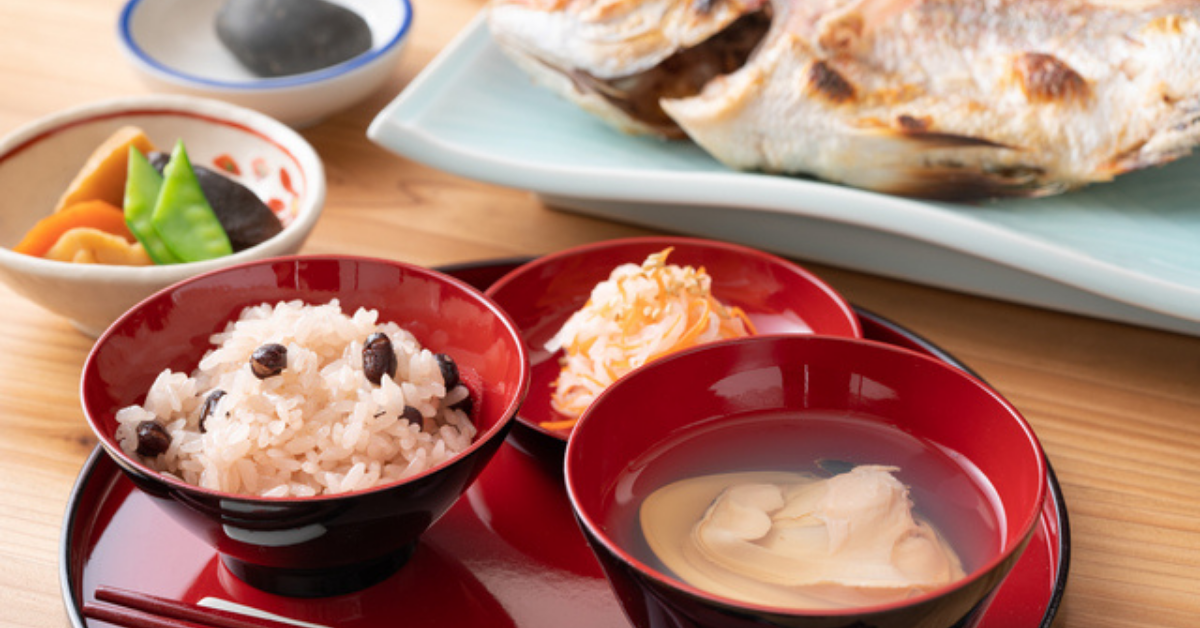
Japan’s care food ecosystem, built over decades to meet the needs of its super-aged population, combines standardized classifications, clinical integration, and advanced food technologies—offering a global benchmark for aging societies. (Source: Pexels)
Japan’s care food ecosystem is widely regarded as the global benchmark. Built over decades in response to the world’s oldest population, it combines clear classification standards, clinical integration, advanced food technology, and strong government facilitation—a level of maturity no other market has yet achieved.
As the first country to enter a super-aged society in 2006 (with over 21% of its population aged 65+), Japan was forced to confront challenges that many countries are only beginning to face today. The result is a care food system that offers valuable lessons for aging societies worldwide.
This article examines how Japan structured its care food market—and why it continues to lead.
A Three-Layered Standardization Ecosystem
Japan’s greatest strength lies in its multi-tiered standards framework, serving consumers, industry, and healthcare professionals simultaneously.
Universal Design Foods (UD Foods)
Developed by the private sector, UD Foods classify products by hardness and viscosity across four levels. These labels appear directly on packaging, enabling caregivers and consumers to select appropriate textures based on chewing and swallowing ability.
By 2025, the UD Foods market reached ¥27.1 billion (USD 252 million), proving that standardization can coexist with commercial viability.
Smile Care Food (Government-Led Framework)
Established by Japan’s Ministry of Agriculture, Forestry and Fisheries, Smile Care Food expands classification beyond dysphagia to include preventive and transitional care foods.
Its intuitive color-coded system—red for swallowing difficulty, yellow for chewing difficulty—reduces selection errors in both retail and institutional settings, accelerating consumer adoption and improving safety.
Japanese Dysphagia Diet 2013 (JDD2013)
JDD2013 is a clinical standard, mandated across hospitals and care facilities. Its precise 0–4 coding system ensures consistency across healthcare, rehabilitation, and home care environments.
Together, these three systems form a closed-loop ecosystem: industry innovation → consumer clarity → clinical enforcement.
Demographics That Sustain Demand
Japan’s care food market growth is structurally supported by demographics rather than short-term trends.
Elderly nutrition market size:
2025: USD 2.89 billion
2032 (forecast): USD 4.52 billion
CAGR (2026–2032): 6.6%
More critically, Japan’s “old-old” population (75+) reached 20.77 million in 2024, accounting for over 57% of all elderly citizens. This group shows the highest prevalence of dysphagia, frailty, sarcopenia, and chronic disease—creating sustained demand for specialized nutrition through at least 2040.
From Texture Control to Evidence-Based Innovation
Japan’s mature market has moved beyond basic texture modification toward clinically validated and technologically advanced solutions.
Meiji’s GOKURI® System (2025) integrates swallowing research with sensory design, proving that semi-solid nutrition with precise rheological properties can improve safety without sacrificing palatability.
Nutri’s Softia thickeners demonstrate application-specific formulation, acknowledging that no single thickener works across all foods or conditions.
Engay (soft-tender) technology addresses a core issue in dysphagia diets—cohesiveness—by reconstructing foods into familiar shapes that are safe, stable, and psychologically acceptable.
High-Pressure Processing (HPP) enables texture modification without nutrient loss or heavy additives, aligning care food development with clean-label and quality-of-life expectations.
These innovations reflect a shift from “soft food” to engineered nutrition systems.
A Fully Formed Product Ecosystem
Japan’s care food market spans complete categories rather than isolated products:
Protein-rich fish and meat with edible bones for calcium intake
Plant-based legumes and seaweed rich in fiber and minerals
Ready-to-eat, culturally familiar meals designed for safety and dignity
This breadth signals market maturity—care food is no longer a medical fallback, but a daily dietary solution.
Unresolved Challenges
Despite its leadership, Japan still faces systemic constraints:
Profitability pressure from high production costs and price-sensitive consumers
Palatability gaps compared to conventional foods, limiting adoption
Complex texture optimization, which remains partly experiential rather than fully standardized
Nutrition-density challenges, as texture-modified foods often require larger volumes
These issues highlight that even the most advanced systems require ongoing iteration.
Why Japan Matters Beyond Japan
Japan’s care food system offers clear strategic lessons for aging societies:
Standardization accelerates markets, but layered standards work better than single frameworks
Government involvement legitimizes categories and reduces market risk
Clinical integration drives scale and trust
Cultural food identity remains essential, even in modified textures
Early technology investment creates long-term advantage
As markets like Taiwan, South Korea, China, Thailand, and Singapore age at unprecedented speed, Japan provides both a roadmap—and a reminder that true maturity takes time.
Next in the series:
How Taiwan’s Eatender system and the IDDSI framework are shaping alternative pathways to care food standardization across Asia and the global market.
🚀 Connect with Global Leaders in Aging & Care Innovation!
Sourcingcares links international partners in aging care, long-term care, and health technology, fostering collaboration and driving solutions for a changing world. Our initiatives include Cares Expo Taipei, where the future of elder care takes shape!
🔗 Follow us for insights & opportunities:
📌 Facebook: sourcingcares
📌 LinkedIn: sourcingcares
📍 Explore more at Cares Expo Taipei!
Source:
