
The $1.1 Trillion Pivot: How China’s Tiered Healthcare Reform is Redefining the Global Care Frontier
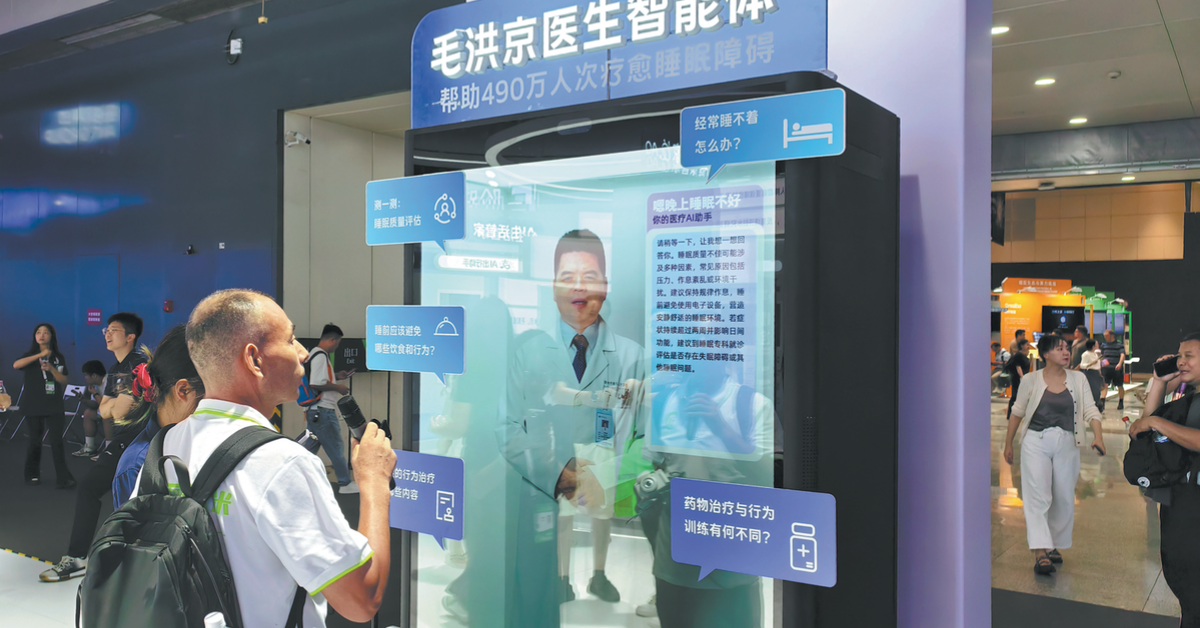
China’s Tiered Diagnosis and Treatment System is reshaping the nation’s $1.1 trillion healthcare market, unlocking unprecedented opportunities in primary care, digital health, medical devices, and pharmaceuticals. (Source: Pexels)
China is undergoing a fundamental restructuring of the world’s second-largest healthcare market. Driven by the Tiered Diagnosis and Treatment System (TDTS), the nation is aggressively redirecting patient flow from overcrowded tertiary hospitals to primary care institutions. This strategic shift is not merely an administrative adjustment; it is a market-shaping movement creating unprecedented opportunities across a healthcare ecosystem worth over $1.1 trillion annually.
Policy Background and Implementation
Reform Framework
The TDTS represents China's strategic response to long-standing challenges, including resource misallocation, overcrowded urban hospitals, and rising medical costs. The 2024 reform cycle emphasizes medical technology advancement, multi-tiered treatment pathways, and digital healthcare services, according to the National Health Commission.
The system encourages patients to seek initial care at community health centers and township hospitals, with referrals to higher-tier facilities only when necessary. This contrasts sharply with historical behavior, where patients frequently bypassed primary care in favor of major urban hospitals regardless of disease severity.
Measurable Outcomes
Empirical studies confirm the TDTS's effectiveness. The hierarchical system has optimized resource allocation, improved doctor-patient relationships, and reduced costs. Early results were modest in the first year, but significant improvements have emerged over time.
For chronic disease management, a critical focus given China's aging population, the system has improved accessibility, medication supply, and affordability at primary facilities, leading to stronger patient preference for community-level care.
The Digital Leap: A $18.8 Billion AI Explosion
The success of China’s tiered system hinges on digital connectivity. The AI healthcare market in China is projected to skyrocket from $900 million in 2020 to $18.88 billion by 2030, representing a staggering CAGR of 42.5%.
Key players dominating this digital infrastructure include:
WeDoctor: Connecting over 2,700 hospitals and 240,000 doctors.
Ping An Good Doctor: Boasting over 400 million registered users.
JD Health: Generating $20 billion in revenue in 2023 through telemedicine and online pharmacy services.
The "Cares" Opportunity: Infrastructure & Aging
The infrastructure buildout represents one of the largest healthcare investment opportunities globally. The primary care sector requires a massive upgrade in Technology Equipment, Medical Devices, and Assistive Devices to handle the surge in patient volume.
Furthermore, with 45 million elderly individuals facing disabilities in China, the integration of Living Care and Medical Care has become a critical priority. The current shortfall of over 6 million nursing beds highlights a massive gap for private sector investment in integrated eldercare services.
Market Liberalization: The Era of Wholly Foreign-Owned Hospitals
In late 2024, China introduced a landmark pilot program allowing the establishment of wholly foreign-owned hospitals in nine major cities, including Beijing, Shanghai, and Shenzhen. This marks a significant departure from previous joint-venture requirements, offering international healthcare groups a direct path to the Chinese market.
Future Outlook: 2025–2030 Strategy
Short-Term (2025-2026): Continued surge in demand for AI diagnostics, portable medical equipment, and telemedicine platforms as 5G deployment accelerates.
Medium-Term (2027-2030): A shift in focus from "infrastructure building" to "operational efficiency," where advanced data analytics and personalized medicine will take center stage.
The Care Food Sector: As part of the healthy aging strategy, the care food market is projected to reach between $43 billion and $140 billion by 2033, driven by the rising prevalence of chronic diseases.
Conclusion: Seizing the Primary Care Decade
China’s primary healthcare institutions, once the weakest link in the medical system, are now the epicenter of its healthcare future. For global medical technology firms, service providers, and investors, the "Cares" ecosystem in China offers a generational market opportunity. Success will belong to those who can integrate nutritional efficacy, technological innovation, and regulatory compliance into this rapidly evolving $1.1 trillion landscape.
🚀 Connect with Global Leaders in Aging & Care Innovation!
Sourcingcares links international partners in aging care, long-term care, and health technology, fostering collaboration and driving solutions for a changing world. Our initiatives include Cares Expo Taipei, where the future of elder care takes shape!
🔗 Follow us for insights & opportunities:
📌 Facebook: sourcingcares
📌 LinkedIn: sourcingcares
📍 Explore more at Cares Expo Taipei!
Source: GENE Online
