
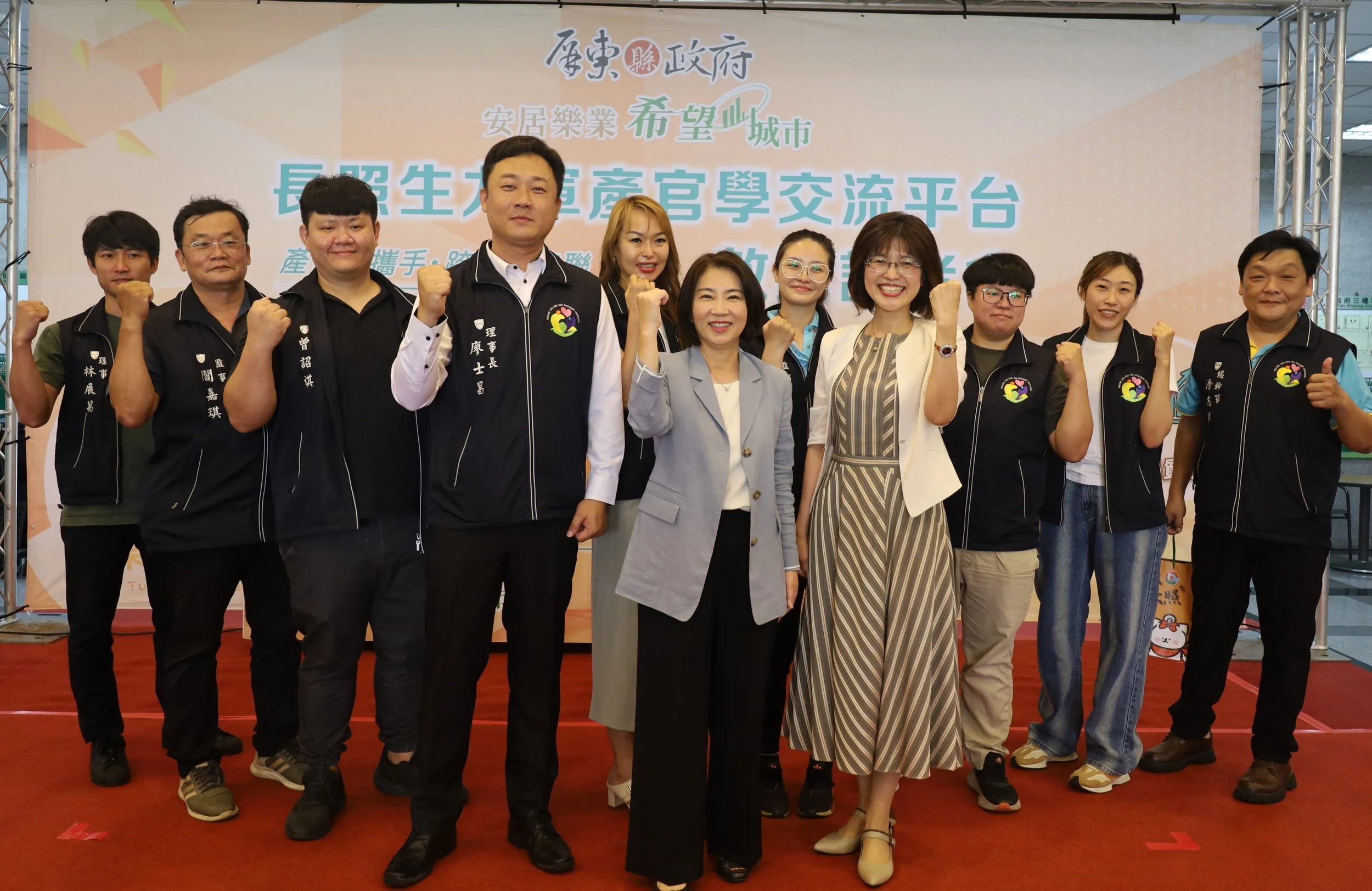
Photo courtesy of Pingtung County Government
Reimagining care to build a more inclusive and hopeful community
Located in southern Taiwan, Pingtung County is home to rural townships, coastal communities and Indigenous communities spread across a large and diverse landscape. As Taiwan’s population continues to age, Pingtung faces the challenge of ensuring that older adults can access care that is close to home, responsive to their cultural backgrounds and suited to their individual circumstances. By the end of 2025, people aged 65 and over accounted for 21.84% of Pingtung’s population, above Taiwan’s national average of 20.06%. These realities have helped make ageing and care a county-wide priority, with efforts focused on bringing healthcare, social welfare, community support and long-term care closer together.
In 2023, in response to its ageing population, wide geographic reach and cultural diversity, the Pingtung County Government established Taiwan’s first dedicated Department of Long-Term Care. Its mission is to bridge the traditional divisions between healthcare, social welfare and long-term care, so that older adults and their families can find support that is more coordinated, accessible and connected to everyday life.
Over the past three years, Pingtung has developed practical approaches to care by listening to frontline workers, responding to real-life challenges and testing new ways of working across sectors. These experiences are brought together in the book series Pingtung Hao Zhao: Six Innovation Projects in Long-Term Care. In everyday Taiwanese usage, “Hao Zhao” conveys the reassuring message: “We’ve got you covered.”
County Magistrate Chun-mi Chou hopes the books will preserve Pingtung’s experience as a shared body of knowledge that others can learn from and build on. Kuei-min Chen, Director of the Department of Long-Term Care, explains that the six projects document not only achievements, but also the questions, adjustments and learning that shape policy in practice—and the everyday work through which frontline teams turn policy into meaningful support for people and families.
Local Long-Term Care Workforce Cultivation: Building the “Pingtung Long-Term Care Team”
Growing local talent and supporting care workers
A sustainable care system depends not only on recruiting enough people, but also on giving care professionals good reasons to stay. Pingtung is pursuing a two-pronged approach: reaching outward to connect with colleges, universities and cross-disciplinary networks, while strengthening the local workforce from within through professional development, simpler administrative processes and a stronger sense of professional identity.
Practical support is central to this approach. Pingtung has developed a Home Care Services Operations Manual and introduced digital tools to ease paperwork, giving care workers more time and energy for the people they support. Sports days and stress-relief activities also recognize the emotional and physical demands of care work. Behind these measures is a simple principle: caring for caregivers is essential to sustaining quality care for older adults.
Precision Long-Term Care Services: Tailoring Care to Different Needs
From one-size-fits-all to person-centered care
No two people experience ageing in exactly the same way. Even when older adults require similar services, their routines, cultural identities, family circumstances and personal preferences may be very different. Care is most meaningful when it respects those differences.
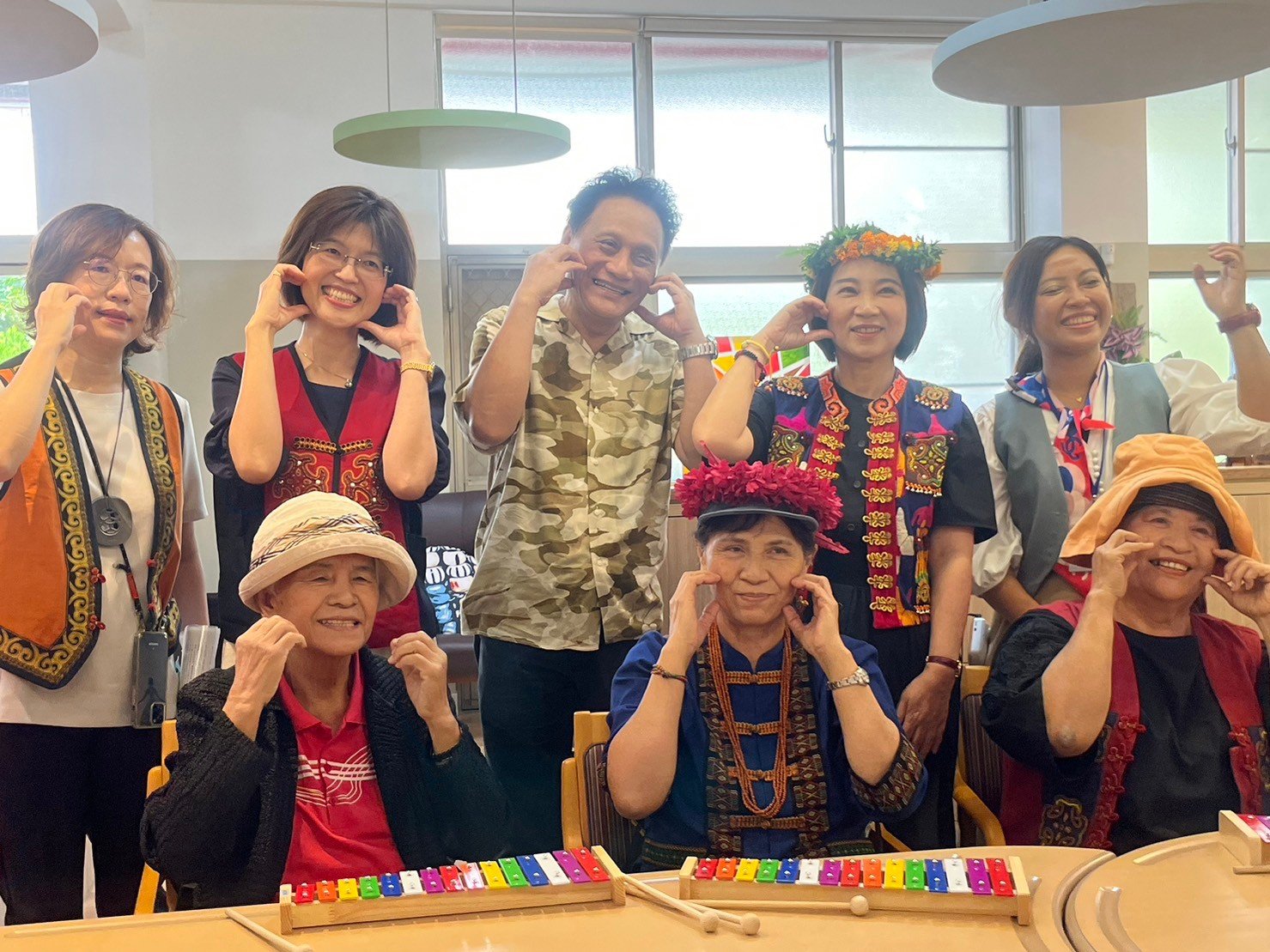
Rooting care in culture
In Indigenous communities, Pingtung is working to ensure that care is culturally grounded and respectful of local ways of life. Through the Indigenous Long-Term Care Service R&D Center and the Pingtung County Cultural Care Guidelines for Indigenous Areas, services take account of community customs, gender considerations and privacy. The goal is not to ask older adults to adapt to a system, but to shape services around the people and communities they are designed to support.
For people who may have dementia, the “Ai-Zhi-Yi” enhanced diagnostic service helps bring appointments, priority access to medical consultations and transportation into a more coordinated process. By linking early assessment with examinations and follow-up, it reduces the burden of repeated journeys for individuals and families. Meanwhile, the Dementia Care Teaching and Research Center applies environmental assessment tools and evidence-based research to help care settings respond more thoughtfully to the needs of people living with dementia.
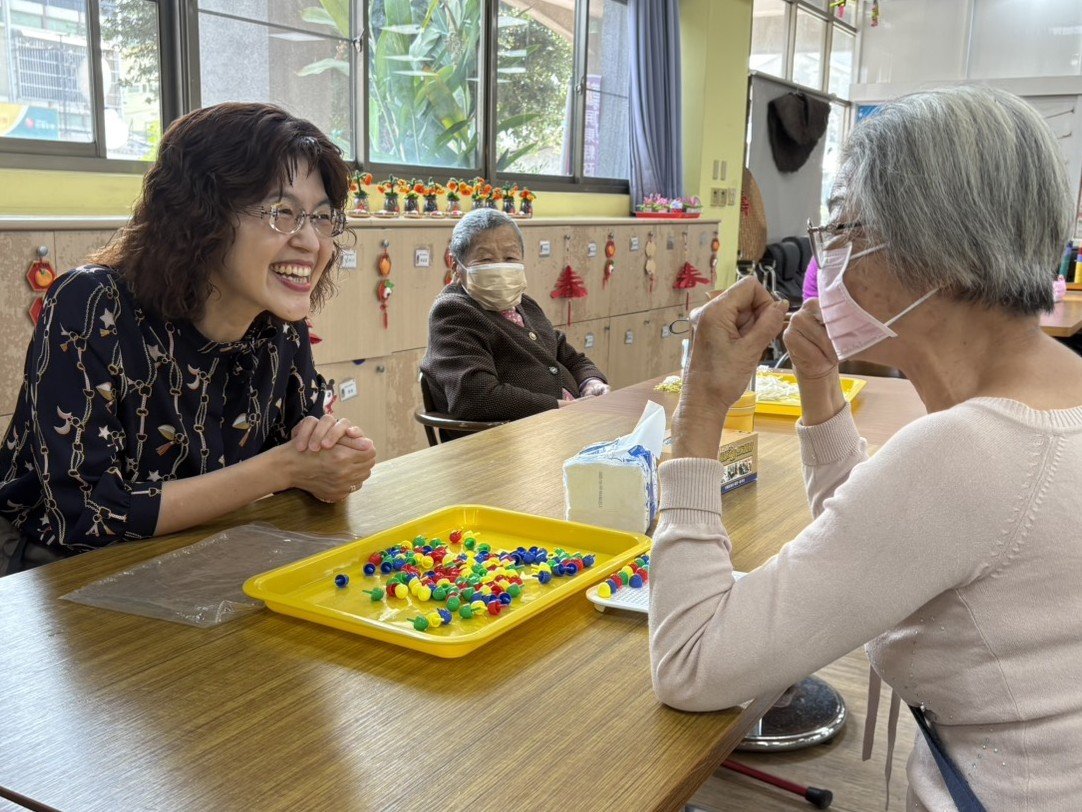
Upgrading care services through resource integration
Integrated Social Welfare Care: Connecting Everyday Support Services
From scattered resources to integrated support
For an older person living alone, a meal delivery, a friendly check-in or a neighbor noticing a change in routine can make a real difference. When a health concern or care need arises, however, support does not neatly fit within the boundaries of individual government departments. Pingtung is working to connect these everyday touchpoints into a more dependable network of care.
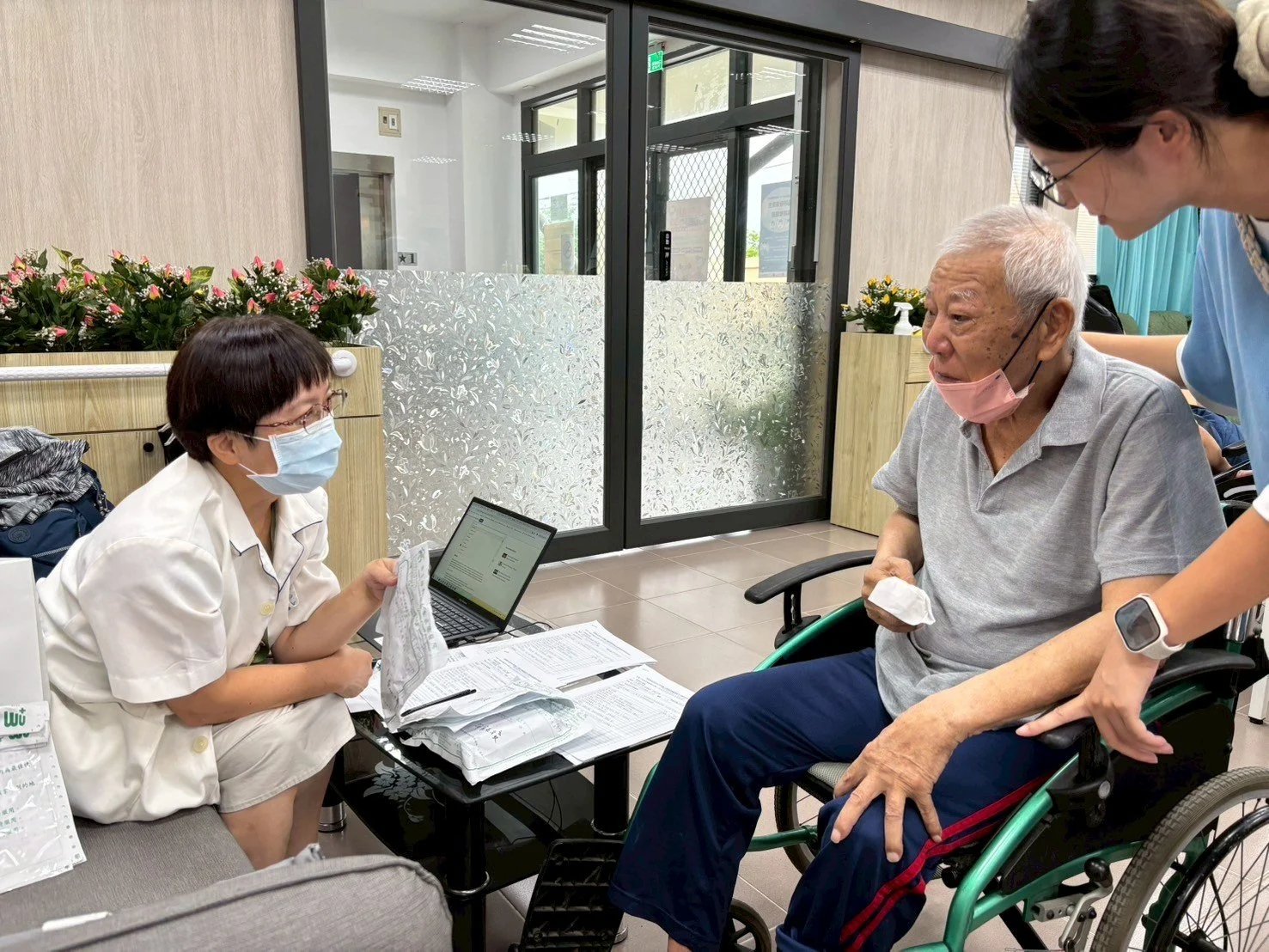
Pharmaceutical care to safeguard medication safety for older adults
Tribal Cultural Health Stations bring together health promotion, cultural continuity and activities that help prevent functional decline. The “Shared Care for Older Adults Living Alone” program draws on the eyes and care of an entire community—including village and neighborhood administrative staff, volunteers, postal workers and neighbors—to notice changes early and connect older people with support when it is needed. It is a reminder that care begins not only with formal services, but also with relationships and a community that looks out for one another.
Pingtung has also adjusted its administrative structures to strengthen continuity. Since 1 June 2023, responsibility for senior welfare institutions has been transferred from the Department of Social Affairs to the Department of Long-Term Care, supporting more coordinated management and guidance. Together, community-based outreach and institutional support are helping to build a more connected system around older adults and their families.
Collaborative Medical and Long-Term Care: Building a Model of Medical-Care Collaboration
From professional division of labor to coordinated care
For many older adults, quality of life is felt in everyday moments: enjoying a meal, getting out of bed with confidence or being able to keep walking. These abilities can support independence, dignity and connection with others. Pingtung is bringing medical and care professionals together to help preserve them for as long as possible.
Across homes, day care centers and residential facilities, multidisciplinary teams are bringing swallowing support, pharmaceutical services and functional rehabilitation into everyday care. Professionals assess needs, provide training and guide caregivers in helping older adults eat more safely and comfortably. Pharmacists review medication use and flag concerns such as duplicate prescriptions, giving care teams valuable information for follow-up. In residential settings, staff are also encouraged to make standing, getting up and walking part of daily routines—not activities reserved only for occasional rehabilitation sessions. The aim is to make professional care practical, consistent and relevant to daily life.
Innovative Professional Care: Overturning Traditional Ideas of Care
From passive care to active participation
Needing support should never mean losing the freedom to make choices, take part in the community or contribute to others. Pingtung is exploring care models that recognize older adults not simply as recipients of services, but as people with interests, abilities and relationships that continue to matter.

From field to table: older adults taking part
Its “fence-free, inclusive day care model” opens day care centers to the life of the surrounding community. At Yanbei Day Care Center, older adults visit a nearby temple and take part in intergenerational activities with the preschool attached to Pengcuo Elementary School through the program “Inclusion Across Ages, Learning Food and Farming Together.” Shared experiences create natural opportunities for children and older adults to learn from one another and build relationships across generations.
At the Wanluan Township Senior Service Center, the “A-Wan-Sao Pork Knuckle Restaurant” invites older adults to help pack lunch boxes, give change and welcome customers. These everyday roles offer opportunities to contribute, connect with others and experience the satisfaction of being needed. A county-wide day care sports day similarly gives participants a chance to build skills through regular practice and celebrate what they can do. Together, these initiatives express a person-centered vision of care: support should enable people to keep living meaningful lives, with choice, participation and purpose.
Public Engagement and Awareness: Building Long-Term Care Literacy for All Ages
From policy promotion to everyday knowledge
Families often begin learning about long-term care only when someone they love needs support. Pingtung is working to start that conversation earlier, helping people of all ages better understand ageing, dementia and caregiving—and encouraging a culture in which seeking support and caring for one another are part of community life.
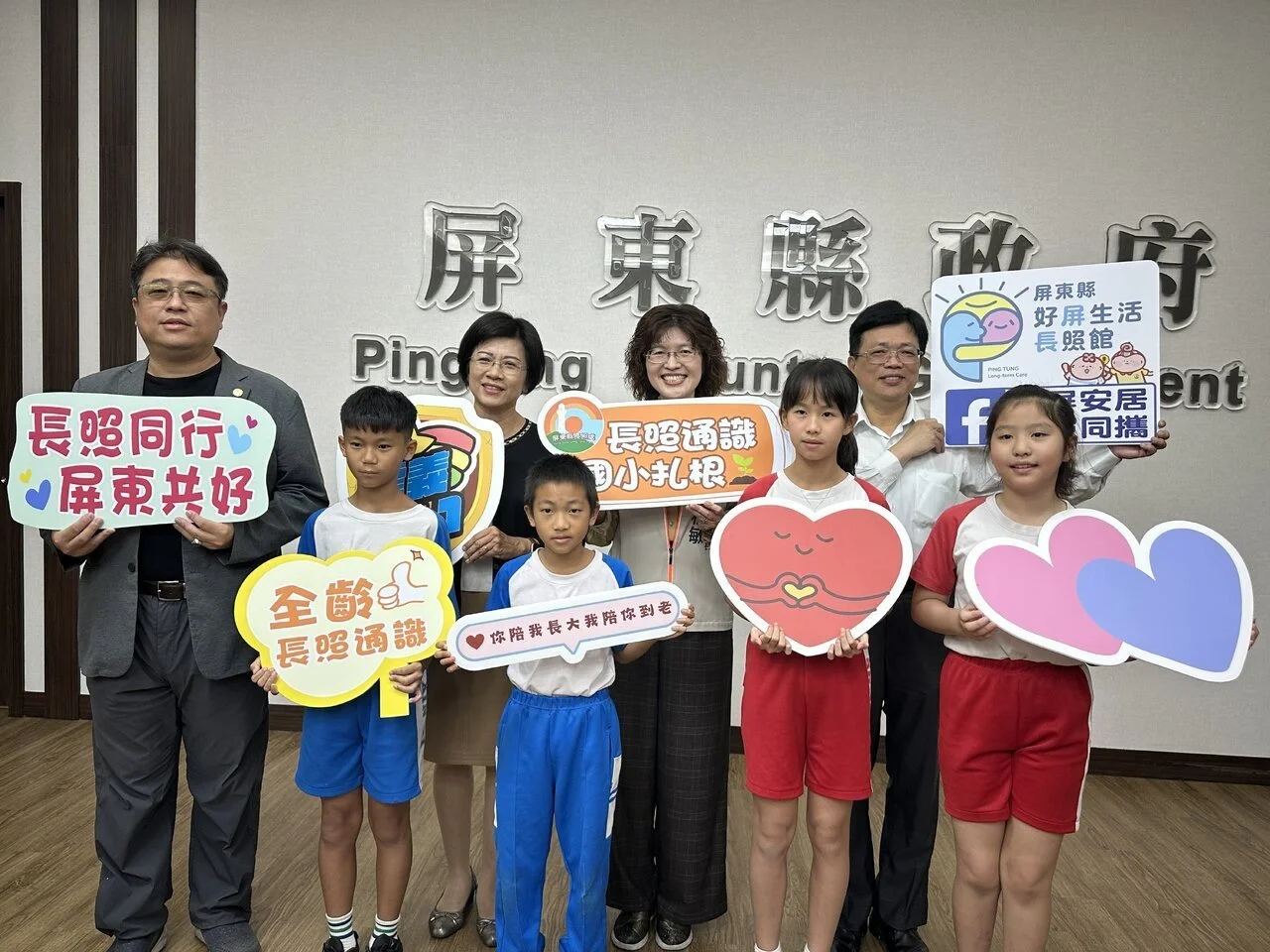
Long-term care literacy takes root in elementary schools
The “Haoping Life Long-Term Care Center” brings care-related knowledge into everyday settings through picture-book reading, opportunities for older adults to return to work, and life consultations. In 2026, the “Long-Term Care Literacy Pilot Program in Elementary Schools” invites children to experience ageing through simulation activities, helping them develop understanding, empathy and respect for older people.
The “All-Ages Long-Term Care Literacy Month” takes long-term care knowledge into communities. Pingtung also works with the police to provide dementia-awareness training and promote the “Look, Ask, Stay, Call” care referral mechanism. By helping officers recognize possible signs of need during their everyday duties, the program creates another pathway for concerns to be noticed early and people to be connected with appropriate services.
From Documenting Results to Passing On Governance Experience
Turning care experience into knowledge that can be shared
Each of the six projects began with a practical question: How can care workers be supported to stay? How can services reflect people’s real needs? How can community resources work together? And how can professional expertise make a difference in daily life? Taken together, the projects show how system-level change can grow from listening to people and improving the details of care.
The Pingtung Hao Zhao book series is designed to make this experience useful beyond the county. “Policy Navigator” and “Governance Roadmap” sections explain the thinking and implementation behind each initiative; “Care Diaries” and “Profiles” share practical experiences; and the “Results Showcase” brings together data and changes in care settings. Each volume also includes a resource index to help readers identify relevant services and information.
Three years of work have brought progress, learning and the need for continued adjustment. By documenting both the results and the process behind them, Pingtung hopes to make frontline experience a lasting resource—one that can inform further improvement locally and offer practical reference points for others working to strengthen long-term care.
Taiwan’s Next Chapter in Ageing and Care
From treating illness to supporting health, dignity and ageing in place
Taiwan officially entered a super-aged society in 2025, with people aged 65 and over accounting for more than one-fifth of the population. This milestone brings into focus a shared challenge—and opportunity—for government, care providers, healthcare professionals, communities and families: how to ensure that care responds to each person’s needs, preferences, culture and stage of life.
Across Taiwan, public- and private-sector partners are working to build a more person-centered continuum of support, from disease treatment to prevention, health promotion, early intervention and long-term care. The goal is not simply to provide services when needs arise, but to help people maintain their abilities, remain connected to their communities and live with dignity in familiar surroundings for as long as possible. This is the vision of ageing in place—and it depends on coordinated systems, local innovation and care that sees the person, not only the condition.
Photos courtesy of Pingtung County Government
Source: Department of Long-Term Care, Pingtung County Government
🚀 Connect with Global Leaders in Aging & Care Innovation!
Sourcingcares links international partners in aging care, long-term care, and health technology, fostering collaboration and driving solutions for a changing world. Our initiatives include Cares Expo Taipei, where the future of elder care takes shape!
🔗 Follow us for insights & opportunities:
📌 Facebook: sourcingcares
📌 LinkedIn: sourcingcares
📍 Explore more at Cares Expo Taipei!
