
Medical Suction Market Hits $19.6B as Portable Tech Reshapes Emergency and Home Healthcare
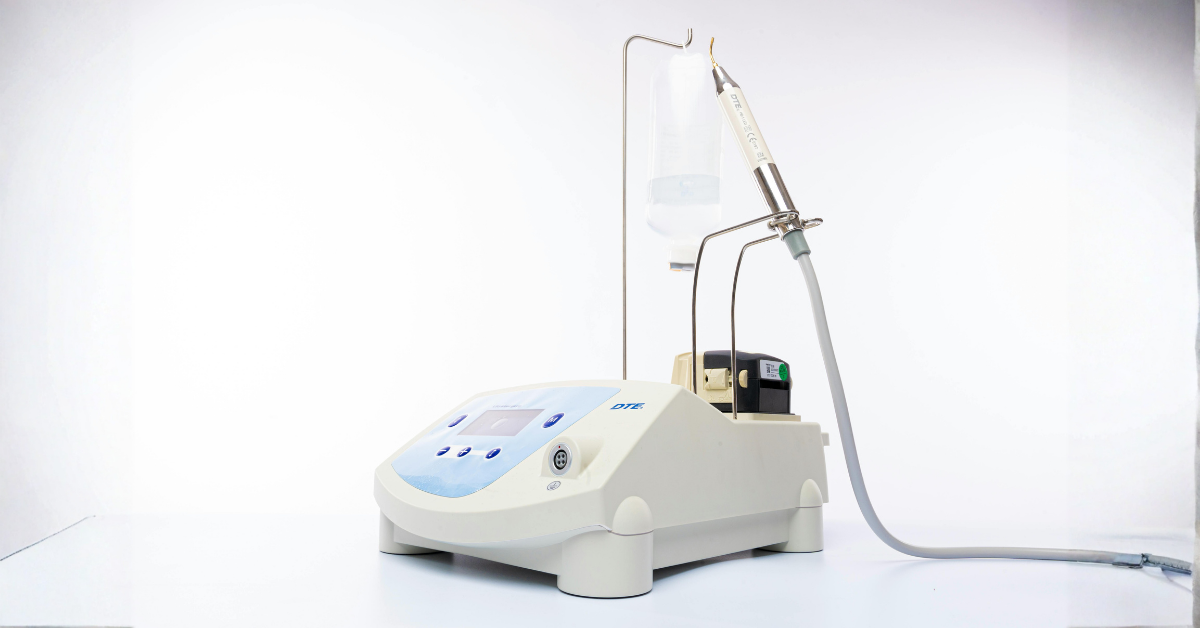
The $25B medical suction devices market is expanding beyond hospitals as aging populations and decentralized care drive demand for portable, battery-powered systems across long-term care, emergency services, and home healthcare. (Source: Pexels)
Market intelligence reveals 5.37% growth trajectory through 2031, driven by aging demographics and shift toward decentralized care delivery
The global medical suction devices market has reached USD 19.59 billion in 2026 and is projected to expand to USD 25.44 billion by 2031, growing at a CAGR of 5.37%, according to new market intelligence from Mordor Intelligence. This growth trajectory signals a fundamental shift in healthcare delivery models, with implications spanning acute care facilities, long-term care infrastructure, and home-based patient management.
Market Dynamics Reshaping Care Delivery
The expansion reflects broader healthcare transformations as systems worldwide confront rising chronic disease prevalence, increased surgical volumes, and growing demand for care outside traditional hospital settings. Medical suction technology—critical for airway management, wound care, and fluid removal during surgical and post-operative procedures—is evolving from primarily institutional equipment to versatile solutions supporting diverse care environments.
Healthcare expenditure patterns reveal sustained investment in suction technologies that enhance procedural safety and clinical outcomes, particularly within critical care and emergency medicine. The technology's expanding footprint in ambulatory surgical centers and homecare settings underscores a market responding to demographic shifts and care model innovation.
Long-Term Care and Aging Populations Drive Demand
The medical suction devices market intersects significantly with long-term care infrastructure development. As global populations age, demand intensifies for equipment supporting chronic respiratory conditions, post-surgical recovery, and ongoing secretion management—scenarios increasingly managed in skilled nursing facilities, rehabilitation centers, and patient homes rather than acute care hospitals.
Portable and battery-powered suction devices are emerging as essential tools in this care continuum, enabling effective secretion management for patients with conditions such as COPD, neuromuscular disorders, and tracheostomies. This portability factor addresses a critical gap in long-term care: maintaining clinical effectiveness while supporting patient mobility and quality of life.
Geographic Growth Patterns and Infrastructure Investment
North America maintains substantial market share, supported by advanced healthcare infrastructure, stringent patient safety standards, and high emergency medical service utilization. However, Asia-Pacific is positioned for fastest growth through 2031, driven by healthcare infrastructure expansion in China, India, and Japan, alongside rising healthcare expenditure and improved access to surgical and emergency services.
This geographic divergence highlights differing market maturity levels and infrastructure priorities. Developed markets emphasize technology upgrades and replacement cycles, while emerging markets focus on initial equipment deployment and capacity building—creating distinct opportunities across the value chain.
Innovation Trends Reshaping Product Development
Portable Device Adoption:
Hand-held and battery-powered suction units are gaining traction in emergency medical services, ambulatory care, and home healthcare. These devices enable rapid response in pre-hospital environments and support care transitions, addressing a key requirement in integrated care delivery models.
Design Optimization:
Manufacturers are prioritizing quieter operation, simplified maintenance protocols, and enhanced reliability—improvements that directly impact clinician workflow efficiency and patient comfort. Infection control features and compliance with evolving safety standards are increasingly embedded in product architecture.
Market Segmentation and Application Diversity
The market spans multiple power configurations (AC, battery, dual-powered, and manual), portability formats (hand-held, wall-mounted, trolley-mounted), and applications including airway clearance, surgical procedures, obstetrics and gynecology, and diagnostic research. End-user diversity extends from hospitals and dental clinics to home healthcare settings, reflecting the technology's versatility across care contexts.
This segmentation reveals opportunities for specialized product development targeting specific clinical workflows, care settings, and patient populations—particularly in areas where conventional hospital-grade equipment proves impractical or cost-prohibitive.
Competitive Landscape and Strategic Positioning
The competitive environment remains moderately consolidated, with established medical device manufacturers pursuing product innovation, regulatory compliance, and geographic expansion. Strategic priorities include technology enhancement, partnership development, and distribution network expansion to address diverse clinical requirements across institutional and non-institutional settings.
Leading market participants include Precision Medical, Medela, ZOLL Medical Corporation (Asahi Kasei), Drive DeVilbiss Healthcare, and Laerdal Medical AS, among others.
Supply Chain and Market Access Considerations
As healthcare systems globally emphasize value-based care and cost containment, procurement strategies for medical suction devices are shifting toward total cost of ownership models that account for device reliability, maintenance requirements, and operational efficiency rather than initial acquisition costs alone. This trend particularly influences long-term care facilities and home healthcare providers operating under constrained budgets.
The growing emphasis on interoperability and integration with broader care management systems presents additional product development considerations, particularly for devices deployed in home and ambulatory settings where connectivity and remote monitoring capabilities add clinical value.
Outlook and Market Implications
The medical suction devices market growth through 2031 reflects broader healthcare trends: population aging, chronic disease burden, care setting diversification, and technology-enabled care delivery. For long-term care infrastructure, emergency medical services, and home healthcare providers, access to reliable, portable suction technology represents a foundational capability supporting expanded service delivery models and improved patient outcomes across the care continuum.
🚀 Connect with Global Leaders in Aging & Care Innovation!
Sourcingcares links international partners in aging care, long-term care, and health technology, fostering collaboration and driving solutions for a changing world. Our initiatives include Cares Expo Taipei, where the future of elder care takes shape!
🔗 Follow us for insights & opportunities:
📌 Facebook: sourcingcares
📌 LinkedIn: sourcingcares
📍 Explore more at Cares Expo Taipei!
Source: Mordor Intelligence
