
Kerala Positions Itself as India’s Pioneer in Elderly Care Reform
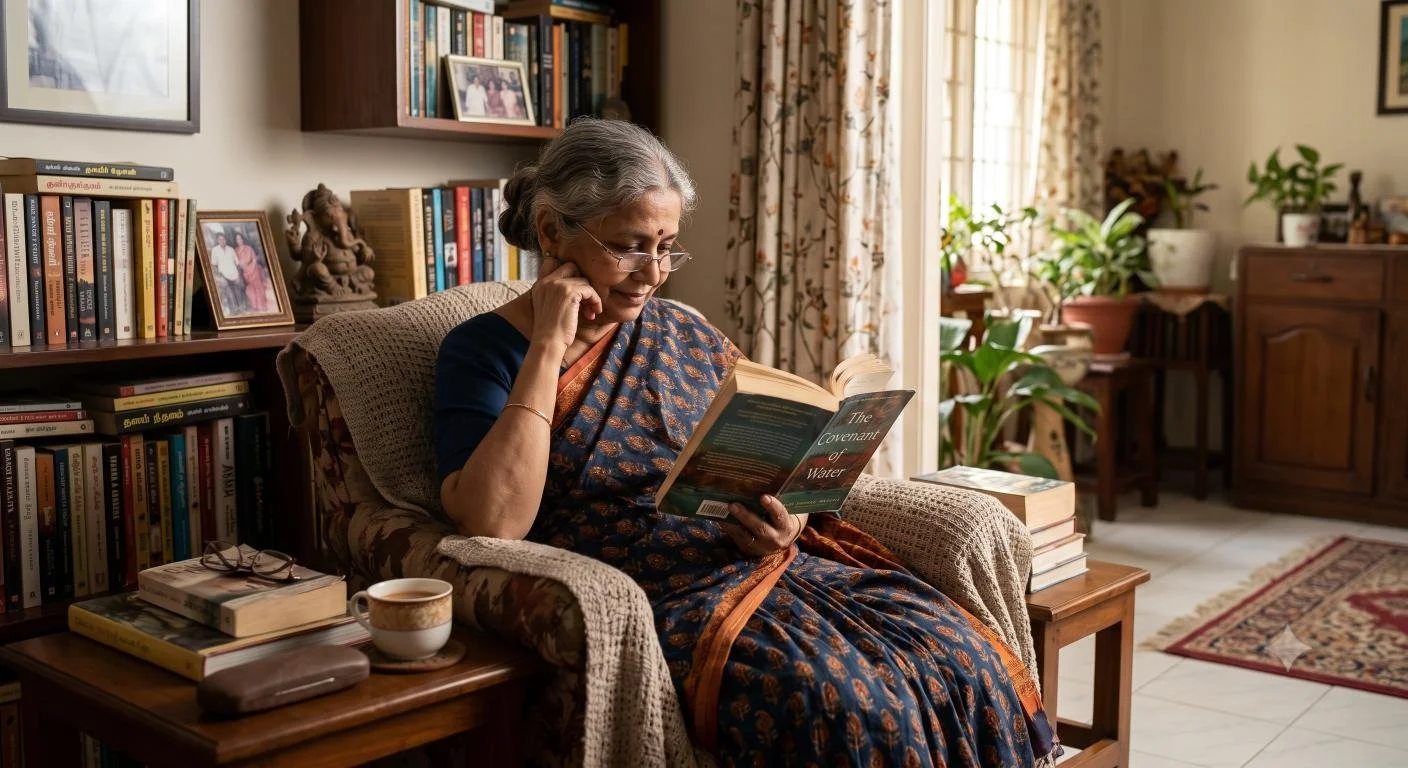
Kerala's ageing population is driving India's first comprehensive elderly care strategy, creating significant opportunities for foreign investors in senior living and healthcare. (Stock Photo )
As India continues to benefit from a young population, the southern state of Kerala is confronting a different demographic reality. With one of the country's fastest-ageing populations, the state is emerging as India's first testing ground for a comprehensive governance model designed to support an ageing society, offering new opportunities for investors and businesses in the senior care sector.
Often described as India's demographic bellwether, Kerala is expected to see nearly 22.8% of its population aged 60 and above by 2036, well ahead of the national average. The state's response is attracting attention as a potential blueprint for the rest of the country.
Government Takes the Lead on Ageing Policy
Recognizing that population ageing is becoming a public policy challenge rather than solely a family responsibility, the Kerala government has established the Department of Elderly Welfare, the first dedicated government department of its kind in India. It has also announced plans to create a Senior Citizens Commission with quasi-judicial authority to address cases involving elder neglect and abuse.
At the core of Kerala's strategy is the principle of "ageing in place," enabling older adults to continue living in their own homes with community-based support instead of moving into institutional care. The approach draws inspiration from long-established eldercare systems in Japan and Sweden, where home and community services play a central role in supporting ageing populations.
Funding for the initiative is largely decentralized. Local Self-Government Institutions (LSGIs) are required to allocate 5% of their annual budgets specifically to elderly welfare. Additional resources are pooled through collaboration among departments including Health, Social Justice, and the women-led Kudumbashree Mission.
The state's largest urban centers are also strengthening age-friendly infrastructure. Kochi became the first city in Southeast Asia to join the WHO Global Network for Age-Friendly Cities, committing 50 million Indian rupees annually to projects such as low-floor buses, accessible public parks, and other improvements designed to enhance mobility and quality of life for older residents.
Private Investment Gains Momentum
Alongside public investment, Kerala is encouraging greater private sector participation through a proposed three-tier care model. Under the framework, government-funded services would support economically disadvantaged seniors, public-private initiatives would target middle-income households, and fully private facilities would cater to higher-income residents.
More than 600 NGO-operated old-age homes currently serve seniors across the state, many receiving monthly government assistance. However, the market is gradually shifting toward professionally managed senior living communities as changing family structures increase demand for formal care services.
Kerala's demographic profile and economic characteristics have also attracted growing international interest. Columbia Pacific Group, headquartered in Seattle, has partnered with local developer Asset Homes to develop four retirement communities in Kochi, Kottayam, and Thiruvananthapuram, highlighting confidence in the state's long-term market potential.
Several structural factors continue to strengthen Kerala's investment appeal. Unlike many other Indian states, its demographic transition is already well underway, creating an immediate and expanding customer base for senior housing, healthcare, and long-term care services.
The state's long history of overseas migration also supports demand. Large numbers of Keralites working in the Middle East, Europe, and North America contribute substantial remittances, enabling many families to seek professional care for ageing parents while living abroad.
Kerala also benefits from high literacy rates and strong community-based care networks. Programs such as the Neighborhood Network in Palliative Care (NNPC) provide an established foundation for home-based and community care services, helping create a supportive ecosystem for both public programmes and private operators.
As India prepares for a rapidly ageing future, Kerala is demonstrating how coordinated public policy, decentralized funding, and private sector participation can shape a sustainable "silver economy." For foreign healthcare providers, senior living developers, and care technology companies, the state is increasingly emerging as one of India's most promising markets for elderly care investment.
source: Bloomberg, Down to Earth, BBC
🚀 Connect with Global Leaders in Aging & Care Innovation!
Sourcingcares links international partners in aging care, long-term care, and health technology, fostering collaboration and driving solutions for a changing world. Our initiatives include Cares Expo Taipei, where the future of elder care takes shape!
🔗 Follow us for insights & opportunities:
📌 Facebook: sourcingcares
📌 LinkedIn: sourcingcares
📍 Explore more at Cares Expo Taipei!
