
Geri Care Expansion Signals India Eldercare Market Boom
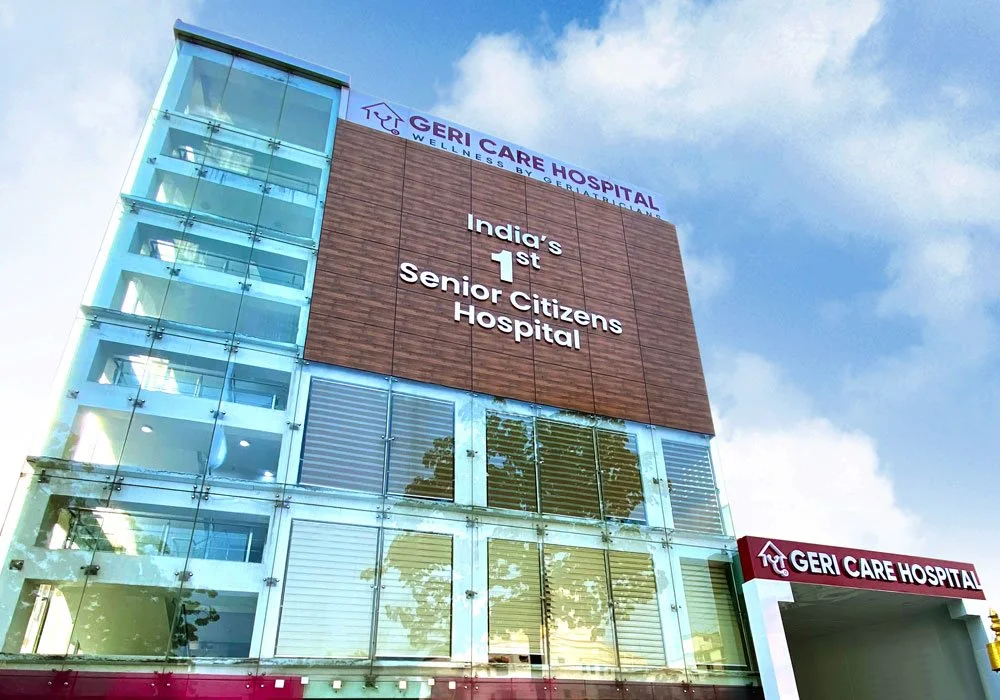
Geri Care opened a specialized facility in Coimbatore, highlighting India's expanding, underserved eldercare market driven by an aging population and changing demographics. (Photo Courtesy of Geri Care)
India’s eldercare sector marked a significant milestone with the launch of Coimbatore’s first geriatrician-led Skilled Nursing Facility (SNF) and Long-term Care Hospital, reflecting growing demand for specialized senior care and the rapid evolution of the country’s senior living market.
Founded in 2018 by renowned geriatrician Dr. Lakshmipathy Ramesh, Geri Care is India’s first healthcare network dedicated exclusively to senior citizens. Its newly opened 100-bed facility in Coimbatore provides skilled nursing, rehabilitation, dementia care, palliative care, and post-surgical recovery services designed specifically for older adults.
The facility addresses a critical gap in India’s healthcare system by providing long-term medical supervision for seniors who require ongoing care but do not need acute hospitalization. As India’s elderly population is expected to exceed 230 million by 2036 and reach 346 million by 2050, demand for such services is expected to grow substantially.
A Market with Huge Untapped Potential
The launch comes as India’s senior living sector undergoes a transformation from a niche retirement housing category into a mainstream real estate and healthcare asset class.
Industry estimates place the value of India’s senior housing and eldercare market between US$4.5 billion and US$8.8 billion in 2026. Despite strong growth, the sector remains significantly underserved. Organized senior housing penetration stands at just 1.3% to 1.4%, compared with more than 6% in mature markets such as the United States and Australia.
The demand-supply imbalance is particularly striking. Organized inventory totals just over 22,000 units, while estimated demand ranges from 1.8 million to 2 million units. Occupancy rates in stabilized projects remain high at 80% to 85%, demonstrating sustained demand.
Southern India remains the dominant market, accounting for nearly 60% of organized inventory. Cities such as Coimbatore, Bengaluru, Chennai, and Hyderabad continue to attract retirees due to their healthcare infrastructure, favorable climate, and relatively affordable living costs.
Independent Living Dominates
Independent Living (IL) communities account for approximately 84% to 85% of India’s organized senior housing inventory. These developments cater to healthy and active retirees seeking social engagement, wellness programs, and age-friendly environments.
Assisted Living (AL) and long-term care facilities remain a relatively small segment but are expected to experience faster growth. Increasing life expectancy, chronic disease prevalence, and changing family structures are creating demand for services that provide medical supervision, nursing support, and memory care.
Geri Care’s new facility reflects a broader effort to address what industry leaders describe as the “missing middle” in India’s eldercare system—the shortage of facilities for seniors who need ongoing care after hospitalization but cannot be adequately supported at home.
Key Growth Drivers
Several demographic and social trends are fueling expansion across the sector.
India’s aging population remains the most significant driver. By 2050, one in five Indians is expected to be over the age of 60.
At the same time, traditional family caregiving models are changing. Urbanization and workforce mobility have accelerated the shift toward nuclear families, leaving a growing number of seniors living independently.
Modern retirees are also becoming more financially empowered and willing to prioritize healthcare access, convenience, and lifestyle. In response, operators are introducing rental and refundable-deposit models that offer greater financial flexibility than traditional property ownership.
Challenges Persist
Despite its growth potential, the assisted living segment faces several obstacles.
Cultural attitudes continue to favor family-based caregiving, while many consumers still associate care facilities with traditional old-age homes. Cost is another challenge. Assisted living communities require specialized infrastructure and 24-hour staffing, making them significantly more expensive than conventional housing.
Limited insurance coverage for long-term care further restricts affordability, while shortages of trained caregivers, nurses, and geriatric specialists remain a major operational challenge.
Access also remains concentrated in major urban centers, leaving large portions of India’s elderly population underserved.
Looking Ahead
Industry forecasts suggest India’s senior living market could reach US$12 billion to US$14 billion by 2030–2031, supported by annual growth rates exceeding 27%.
Growth is expected to expand beyond traditional southern markets into emerging retirement destinations such as Gurugram, GIFT City, Tirupati, and wellness-focused hill communities. Technology, including AI-powered monitoring, telemedicine, and IoT-enabled safety systems, is also expected to become increasingly integrated into future senior living communities.
Against this backdrop, Geri Care’s Coimbatore launch highlights the growing convergence of healthcare, housing, and long-term care services. For investors and market researchers, it signals a sector that remains underpenetrated but is positioned for sustained long-term growth as India’s population continues to age.
Source: Geri Care, NDTV, Fortune Business Insights, BW Business World, JLL
🚀 Connect with Global Leaders in Aging & Care Innovation!
Sourcingcares links international partners in aging care, long-term care, and health technology, fostering collaboration and driving solutions for a changing world. Our initiatives include Cares Expo Taipei, where the future of elder care takes shape!
🔗 Follow us for insights & opportunities:
📌 Facebook: sourcingcares
📌 LinkedIn: sourcingcares
📍 Explore more at Cares Expo Taipei!
