
Design and AI Reshape Modern Dementia Care
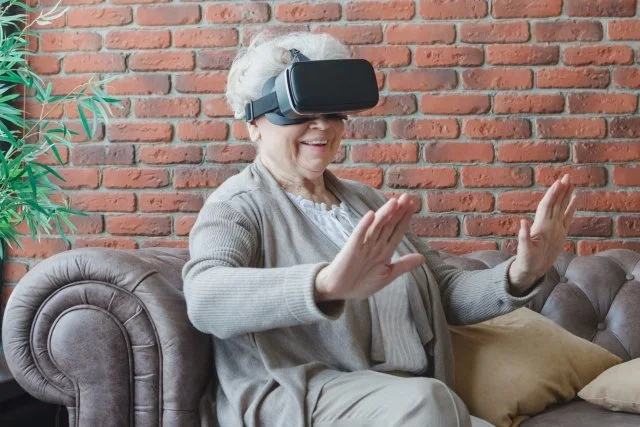
Driven by aging demographics, memory care providers are integrating therapeutic design, predictive AI, and evidence-based programs to improve dementia resident well-being. (Stock Photo)
As dementia rates continue to rise worldwide, memory care providers are rethinking traditional approaches and embracing new strategies that support both resident well-being and care quality. Across the senior living sector, operators are moving beyond custodial models toward person-centered environments that combine therapeutic design, artificial intelligence, and evidence-based programming.
With the oldest Baby Boomers approaching age 80 in 2026, providers face growing demand for dementia services while managing workforce shortages and increasingly complex care needs. In response, many operators are investing in innovations designed to help residents maintain independence, preserve identity, and remain engaged for longer.
Designing for Cognitive Health
One of the most significant developments in memory care is the growing recognition that physical environments can directly influence resident behavior and well-being.
Traditional care settings often feature hallways that end at locked doors, which can create confusion and anxiety for residents who enjoy walking. To address this challenge, architects specializing in senior living, such as Kimmel Architecture, have adopted continuous-loop circulation systems that allow residents to move freely without encountering barriers. This design approach can reduce frustration and minimize the need for staff intervention.
Operators are also introducing neighborhood-style layouts that make communities feel more familiar and easier to navigate. Individual apartment entrances are designed to resemble residential homes, using distinctive materials such as brick or stone to help residents identify their own living spaces.
Sensory cues are becoming another important component of dementia-friendly design. Small-scale laundries and finishing kitchens are being incorporated into living areas, allowing familiar sights and aromas to stimulate long-term memories. These features support residents’ connection to everyday routines while creating a more homelike environment.
The Rise of Predictive Care
Artificial intelligence is helping operators shift from reactive care models to more proactive approaches.
Instead of waiting for health concerns to become visible, AI-powered systems can monitor subtle changes in residents’ daily routines and identify potential risks earlier. For example, CarePredict’s Tempo wearable sensor tracks activity patterns and can alert caregivers when behavior deviates from established baselines.
Fall prevention has emerged as one of the most promising applications of AI in dementia care. SafelyYou uses AI-powered video technology designed specifically for memory care settings to detect and help prevent falls. Inspiren’s monitoring platform analyzes changes in gait and movement patterns, allowing staff to identify potential instability before an incident occurs.
Medication management is also benefiting from predictive analytics. FeelBetter applies machine learning to identify medication-related risks among older adults with multiple chronic conditions, helping providers reduce adverse events and improve resident safety.
For operators, these technologies provide opportunities to improve outcomes while supporting more efficient and proactive care delivery.
Technology for Engagement and Connection
Maintaining social engagement remains a critical challenge for people living with dementia. To address isolation and loneliness, operators are increasingly introducing digital companions and interactive therapies into their programs.
Intuition Robotics’ ElliQ has gained attention as a companion robot that provides personalized interaction and companionship for older adults. Similarly, Vallige’s smart companion, Val, offers features such as “Talkstories,” which facilitates family conversations through AI, and “Moodshifters,” which can deliver poems in familiar voices to comfort residents during periods of agitation.
Immersive technologies are also becoming more common. Virtual Reality Reminiscence Therapy (VRRT) enables residents to explore calming natural environments or culturally meaningful locations, helping reduce social withdrawal and behavioral symptoms associated with dementia.
For group engagement, thousands of care communities have adopted Tovertafel, or the “Magic Table,” an interactive projection system that encourages residents to participate in games and activities through simple hand movements. The platform promotes social interaction, physical activity, and shared experiences among residents with varying levels of cognitive ability.
Integrating Innovation into Daily Operations
As more technologies enter the market, successful implementation depends on seamless integration into everyday workflows.
K4Connect’s FusionOS platform serves as a unified data layer that connects health, wellness, and smart-home systems, enabling operators to consolidate information and generate more personalized insights for residents.
Providers are also using AI to reduce administrative burdens on care teams. Alita Health employs AI agents to support tasks such as applicant screening and resident intake, while ambient AI documentation tools are being piloted to automatically generate clinical notes from conversations and care interactions. These innovations can help free staff from paperwork and increase time spent on direct resident care.
Operator-Led Innovation
Several senior living organizations are also advancing dementia care through innovative programming.
Maplewood Senior Living recently launched Aura, a transitional care model designed to support residents whose needs are evolving between assisted living and memory care. The company has also expanded partnerships with clinical neuropsychologists to incorporate the latest brain health research into daily operations.
Kisco Senior Living’s Heirloom program applies Montessori-based principles that focus on retained abilities and positive triggers rather than deficits. Through meaningful, personalized activities, residents are encouraged to maintain a sense of purpose and engagement.
Meanwhile, Goodwin Living’s StrongerMemory program offers daily exercises focused on reading, numeracy, and cognitive stimulation. Available in eight languages, the initiative reflects a growing emphasis on early intervention and accessible brain health support.
As dementia care continues to evolve, the combination of thoughtful design, predictive technology, and evidence-based programming is creating new possibilities for residents and providers alike. For operators, these innovations are helping transform memory care communities into environments that not only provide safety, but also actively support dignity, identity, and quality of life.
Source: McKnights Senior Living, Yenra Research, Aging and Health Technology Watch, Senior Housing News
🚀 Connect with Global Leaders in Aging & Care Innovation!
Sourcingcares links international partners in aging care, long-term care, and health technology, fostering collaboration and driving solutions for a changing world. Our initiatives include Cares Expo Taipei, where the future of elder care takes shape!
🔗 Follow us for insights & opportunities:
📌 Facebook: sourcingcares
📌 LinkedIn: sourcingcares
📍 Explore more at Cares Expo Taipei!
