
Asia Takes Rehabilitation Beyond Care Facilities
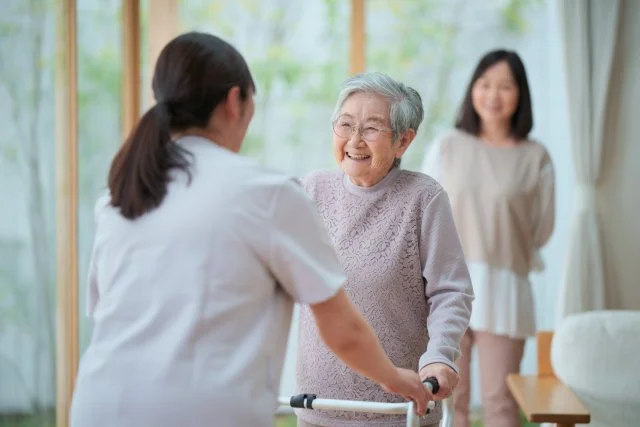
Asian rehabilitation is moving beyond facilities as Hong Kong, Singapore and Japan embrace home care, AI screening and independence-supporting robotics. (Stock Photo)
Across Asia, rehabilitation technology is beginning to move beyond hospitals and specialist facilities into homes, primary-care clinics and everyday elder-care settings.
Recent initiatives in Hong Kong, Singapore and Japan illustrate a broader shift: from monitoring age-related decline toward identifying risks earlier, maintaining physical function and helping older adults remain independent in their communities.
Hong Kong Takes Rehabilitation Into the Home
In Hong Kong, City University of Hong Kong (CityUHK) and Seamless Seek & Serve (3S) launched Rehab-Link in August, a digital platform combining primary health screening with home-based rehabilitation.
The initiative aims to reduce the burden on mobility-impaired older adults who would otherwise need to travel repeatedly to clinics for rehabilitation.
The platform provides home-based physical fitness assessments and cognitive screening to identify higher-risk seniors. It also introduces a GPS-based verification mechanism requiring therapists to digitally check in within 50 metres of a client's residence, making home rehabilitation services more traceable.
The first phase targets more than 900 older residents in several Hong Kong communities. Encrypted health data will also contribute to a local health-data map that could support future primary-care planning.
The concept reflects Hong Kong's broader push toward ageing in place, with rehabilitation becoming part of community-based care rather than remaining concentrated in medical facilities.
Singapore Uses AI to Detect Frailty Earlier
Singapore is approaching the same challenge from a preventive angle. In September, NHG Polyclinics and digital-health company CareCam announced development of an AI-powered frailty screening tool using non-invasive, video-based 3D gait analysis.
The technology analyzes walking, sit-to-stand movements and balance to detect early physical frailty and predict fall risk. Researchers are studying up to 1,000 participants aged 40 to 100, ranging from physically fit to frail, to develop the algorithm.
The goal is to produce a screening assessment within five minutes and eventually deploy the technology across primary-care and community settings.
Rather than waiting until an older adult falls or experiences serious functional decline, the system could allow clinicians to identify subtle mobility problems earlier and recommend targeted interventions. NHG Polyclinics describes this as a shift from treating frailty toward preventing it.
Japan's Robot Helps Older Adults Keep Moving
Japan, meanwhile, is demonstrating how robotics can support functional independence directly.
Nara-based long-term care provider Ai-Net has developed Sukutto Tateru, a standing-assistance robot based on more than 23 years of frontline caregiving experience.
Unlike conventional devices designed primarily to lift or transfer people, the robot uses biomechanical principles and shifts the user's centre of gravity to support more natural standing movements.
The distinction is important. Rather than simply replacing caregiver physical effort, the technology is designed to help older people use their remaining physical capabilities, while reducing strain on caregivers.
From Monitoring Decline to Maintaining Function
Together, these three developments point toward an important direction for Asian elder care: rehabilitation is becoming less episodic and facility-based and more preventive, continuous and integrated into daily life.
Hong Kong is bringing professional rehabilitation into the home; Singapore is using AI to identify functional decline before serious disability occurs; and Japan is developing robotics that help older adults retain physical ability.
For care providers facing rapidly ageing populations and workforce shortages, the next generation of rehabilitation technology may therefore be measured not simply by what it can monitor or automate, but by how effectively it can keep older people mobile, functional and independent in their communities.
source: City University of Hong Kong, NHG Health, SOCIALWIRE
🚀 Connect with Global Leaders in Aging & Care Innovation!
Sourcingcares links international partners in aging care, long-term care, and health technology, fostering collaboration and driving solutions for a changing world. Our initiatives include Cares Expo Taipei, where the future of elder care takes shape!
🔗 Follow us for insights & opportunities:
📌 Facebook: sourcingcares
📌 LinkedIn: sourcingcares
📍 Explore more at Cares Expo Taipei!
