
Breakthrough AI Smartglasses Win £1M Longitude Prize to Revolutionize Dementia Care
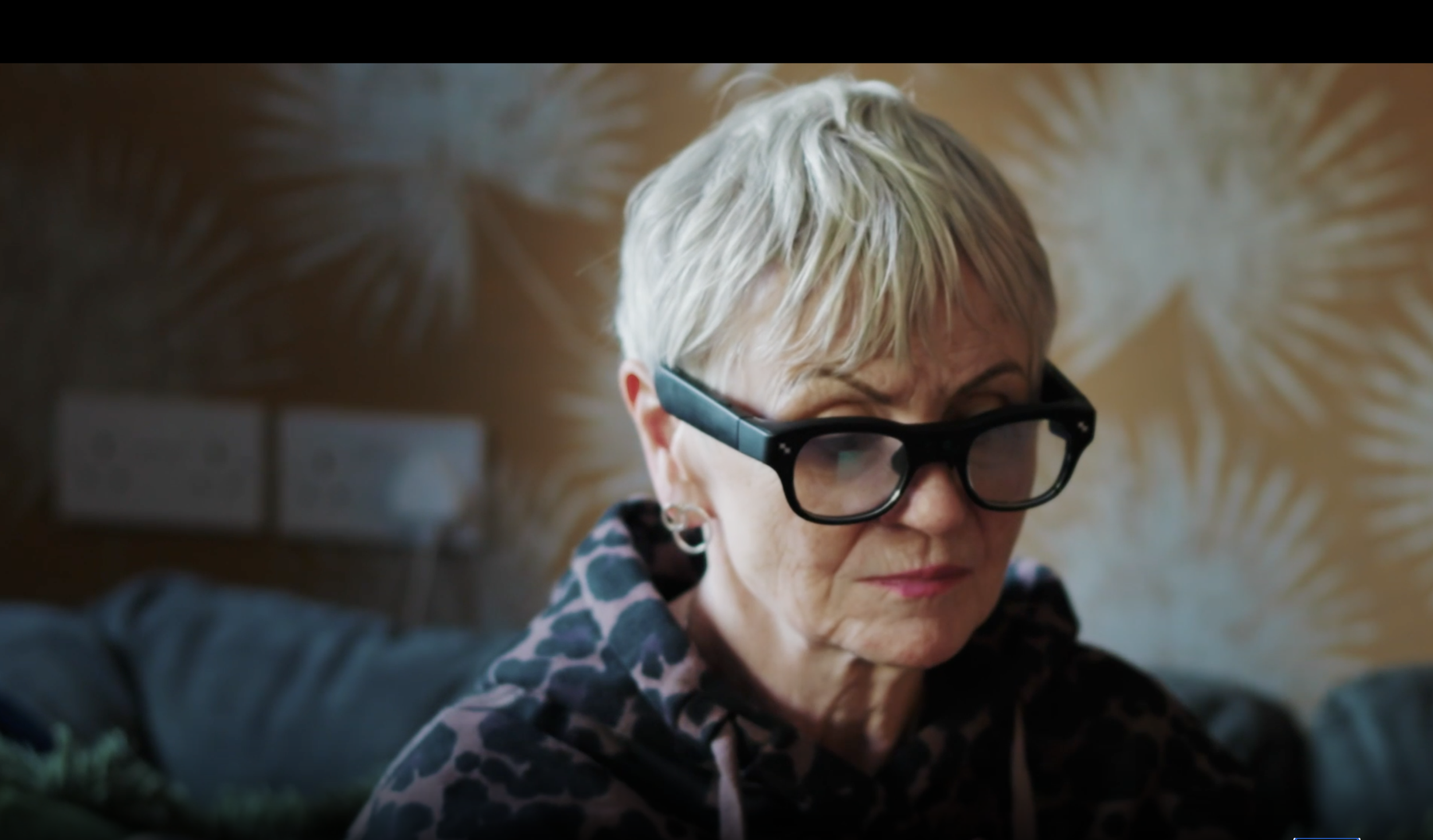
London-based R&D firm CrossSense has won the £1 million Longitude Prize on Dementia for "Wispy," an innovative pair of AI-powered smartglasses designed to help early-stage patients maintain their independence through cross-sensory memory support. Credit: CrossSense
CrossSense, a London-based R&D firm, has secured the prestigious £1 million Longitude Prize on Dementia for its groundbreaking AI-powered smartglasses assistant, "Wispy." Announced on March 18, 2026, the prize recognizes a "moonshot" vision, a decade in the making, designed to support individuals with early-stage dementia in maintaining their independence.
A Revolutionary Wearable Companion
Wispy operates through lightweight, 75g smartglasses that identify everyday objects and project visual prompts directly onto the lenses. The device provides gentle audio commentary to guide users through daily activities, such as preparing a cup of tea, getting dressed, or managing household chores safely. Notably, the system is designed for practical daily life: it is hearing-aid compatible, supports prescription inserts, and can run all day when connected to a portable power bank.
The core scientific theory behind the technology is a cross-sensory approach to memory. By linking different senses—such as associating names with colors or shapes with sounds—Wispy helps the brain build or reinforce neural pathways. CEO Szczepan Orlins noted that while the idea was powerful, the team had to wait years for AI and hardware to become sufficiently light and powerful to make the approach practical.
Co-Designed with the Community
A key factor in CrossSense’s success was its commitment to community co-design. After initially struggling to connect with dementia communities, the team collaborated for three years with caregivers and local organizations, such as the Leading Lives care co-operative in Suffolk, to ground their research in real-world challenges.
Carole Grieg, a 70-year-old trial participant from Sutton, highlighted the hope the device provides, stating it offers "real, reliable support" as cognitive skills decline. Similarly, Fiona Carragher of the Alzheimer’s Society emphasized that such intuitive tools allow patients to stay in familiar home environments for longer by providing reassurance to both users and their families.
Clinical Success and Future Release
The technology’s effectiveness is validated by clinical research led by Professor Julia Simner at the University of Sussex. Evaluations confirmed significant improvements in object naming, working memory, and visual-spatial understanding. Most strikingly, three in four participants reported a clinically significant improvement in their overall quality of life.
With dementia cases in the UK projected to rise to 1.4 million by 2040, the government has lauded the breakthrough. Science Minister Lord Vallance called the project a "brilliant example" of British-led research delivering the dignity and care that patients deserve.
CrossSense will use the prize money, funded by the Alzheimer’s Society and Innovate UK, to bring Wispy to market within the next year. A wider release is expected in early 2027, with the goal of making the glasses available through NHS memory clinics, local authorities, and care providers. The company is currently inviting interested users to join its ongoing pilot programs as they prepare for the launch.
Article source: CrossSense and Southernminn
🚀 Connect with Global Leaders in Aging & Care Innovation!
Sourcingcares links international partners in aging care, long-term care, and health technology, fostering collaboration and driving solutions for a changing world. Our initiatives include Cares Expo Taipei, where the future of elder care takes shape!
🔗 Follow us for insights & opportunities:
📌 Facebook: sourcingcares
📌 LinkedIn: sourcingcares
📍 Explore more at Cares Expo Taipei!
