
Aging Vietnam Opens New Doors for Elder-Care Investors
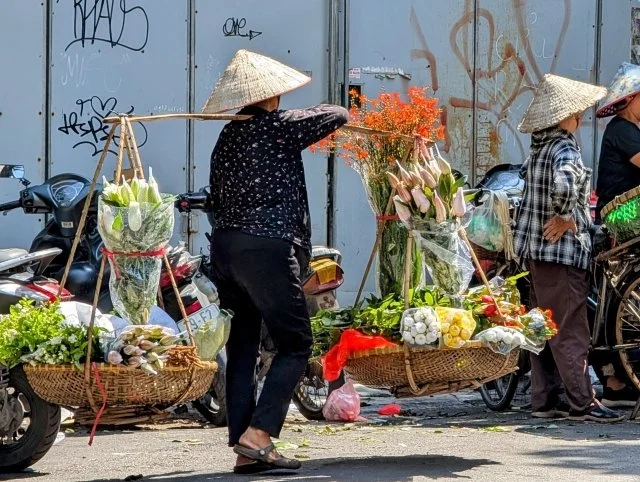
Vietnam’s new international cooperation program seeks investment, technology and care expertise as rapid aging creates demand for affordable long-term care services nationwide. (Stock Photo)
Vietnam is seeking international investment, technology and operating expertise to strengthen its elderly-care system, as rapid population ageing increases demand for long-term care, community services and age-friendly products.
On September 3, the government approved Decision No. 1702/QD-TTg, establishing an international cooperation program for older people covering 2026–2031. The program aims to attract overseas resources, technologies, professional expertise and care models while developing Vietnam’s emerging silver economy.
The demographic shift is accelerating. Vietnam had approximately 14.2 million people aged 60 and above in 2024, and this population is projected to approach 18 million by 2030. Within a decade, more than one in five Vietnamese citizens is expected to be over 60, marking the country’s transition into an aged society. Life expectancy has already exceeded 74 years, around ten years longer than in the 1980s.
However, longer lives do not necessarily mean healthier ones. UNFPA estimates Vietnam’s life expectancy at 74.7 years, compared with healthy life expectancy of only 65.4 years. This nearly ten-year gap points to growing requirements for chronic-disease management, rehabilitation, daily-living assistance and long-term care. Around 76% of older people do not receive a pension, further increasing the importance of affordable services.
Under the 2026–2031 program, Vietnam plans to establish at least five internationally supported projects or pilot models that can be evaluated and replicated. Priority areas include healthcare, long-term care, community-based services, workforce development, digital transformation, care data and assistive technology.
The government also wants all central hospitals and at least 70% of provincial general hospitals with geriatric departments or specialties to participate in international training, technology transfer or exchanges of elderly-care models. At least three international investment and business-connection activities are planned, including engagement with companies, technology developers and potential public-private partnerships.
The commercial opportunity extends beyond nursing homes. Potential growth areas include home-care platforms, remote monitoring, fall detection, rehabilitation equipment, dementia services, caregiver training, assistive devices and community-based day care.
Vietnam currently depends heavily on informal support: approximately 99% of older people rely on family care, while women perform an estimated 72% of caregiving responsibilities. These figures reveal both a major service gap and a potentially large market for professional care.
Private healthcare expenditure is projected to expand at a compound annual growth rate of approximately 7.5%, supported by growing insurance coverage and government interest in public-private cooperation. Vietnam’s healthcare system nevertheless faces shortages of qualified personnel, uneven infrastructure and limited long-term-care reimbursement.
International companies should therefore view the program as a policy opening, not a guarantee of rapid returns. Early market entrants may find the strongest opportunities through partnerships with hospitals, universities, provincial governments and established local care organizations.
Solutions will need affordable pricing, Vietnamese-language interfaces, local training and evidence that they work within family- and community-based care. For investors prepared to localize their models, Vietnam’s demographic urgency and explicit demand for international cooperation provide a timely entry point into one of Asia’s least-developed—but increasingly important—elder-care markets.
Source: Global Electronic Newspaper, UNFPA in Viet Nam, Vietnam Plus
🚀 Connect with Global Leaders in Aging & Care Innovation!
Sourcingcares links international partners in aging care, long-term care, and health technology, fostering collaboration and driving solutions for a changing world. Our initiatives include Cares Expo Taipei, where the future of elder care takes shape!
🔗 Follow us for insights & opportunities:
📌 Facebook: sourcingcares
📌 LinkedIn: sourcingcares
📍 Explore more at Cares Expo Taipei!
